Why Do Car Tyre Offers Vary by Country?

I can write the introduction, but no articles or verifiable expert quotation were included. Please provide a source article or the expert’s name and quote so I can attribute the statement accurately rather than inventing one.
Why Do Car Tyre Offers Vary by Country?

How National Markets Shape Car Tyre Offers

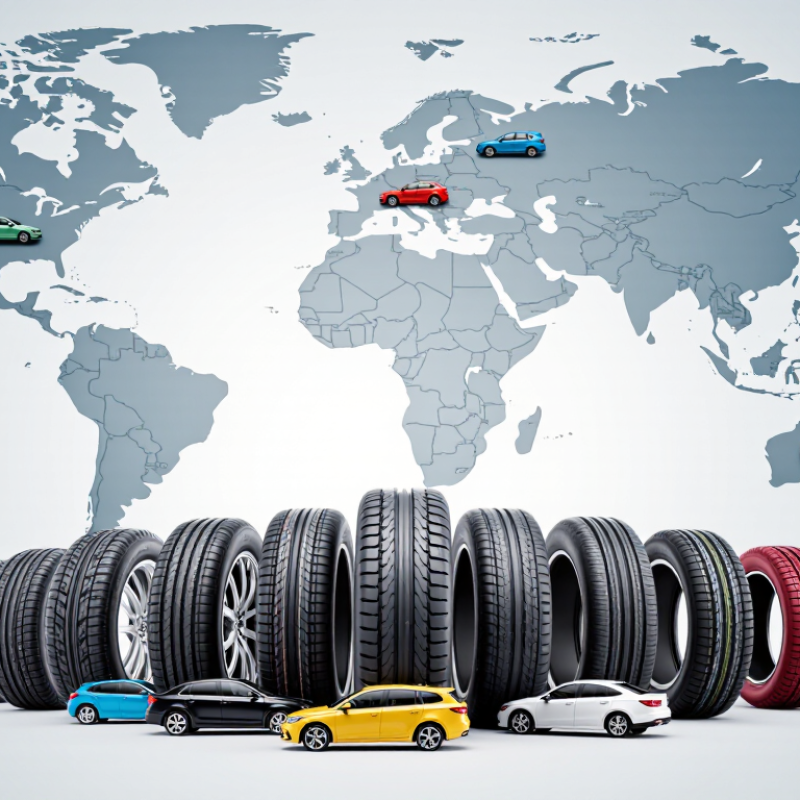
Car tyre offers are shaped by more than the price printed on a label. Markets with many compact cars often stock different sizes from those dominated by larger vehicles. Climate matters too. In colder regions, demand may shift toward winter-rated options; hot roads and long distances can influence durability priorities. Import costs, currency changes, taxes, and local distribution networks also affect availability and final price. Small differences add up.

The offer itself may include fitting, balancing, a warranty, or disposal of old tyres, so two advertised prices are not always comparable. Local vehicle requirements and seasonal demand can also influence which sizes and tread types shops keep in stock. Check the tyre size on your vehicle and compare the full fitted cost. Even a careful comparison can miss a detail, such as whether balancing is included.

Tips: Compare the same size and load rating, not just the headline price. Ask what fitting includes. Consider your usual roads and weather, rather than choosing only by the lowest offer. A cheaper option may suit some drivers, but it is not automatically the best value for every car or journey.

The Role of Climate, Roads, and Driving Conditions

Why Do Car Tyre Offers Vary by Country?
The Role of Climate, Roads, and Driving Conditions

A tyre offer reflects more than price. In colder regions, winter tyres are commonly stocked because rubber compounds and tread patterns are designed for low temperatures, snow, and ice. In hotter areas, drivers may prioritise heat resistance and wet-road performance during intense rain. Local roads matter too: potholes, rough surfaces, and long rural routes can influence demand for tougher construction or different tyre sizes. Small differences matter.

Driving conditions shape the choice. Quebec’s road-safety agency, SAAQ, says winter tyres can reduce braking distances on snow by up to 25% compared with all-season tyres. The European Union’s tyre label reports wet grip, fuel efficiency, and external noise, with snow or ice markings for qualifying products. These measures help compare performance, but they cannot predict every road or driver. A tyre suited to icy commutes may be unnecessary for a mild coastal city; even that distinction is not always neat.

Tips: Check the vehicle manual, local seasonal guidance, and the tyre label before buying. Look closely at tread condition and pressure, especially before long trips. Ask whether your usual route is wet, hot, icy, or simply full of potholes.

Why Do Car Tyre Offers Vary by Country? - The Role of Climate, Roads, and Driving Conditions

Country or market Climate and seasonal conditions Roads and driving conditions Common tyre offer emphasis Why the offer may differ
Finland Long, cold winters; snow and icy roads are common in many areas. Drivers may encounter packed snow, ice, and extended periods of low temperatures. Winter tyres, including studded and non-studded options, alongside summer tyres. Winter tyre use is required in winter conditions during the statutory season; studded-tyre use is subject to seasonal rules. Local conditions influence which type drivers choose.
Germany Conditions vary by region, with cold or snowy winters in some areas and milder weather in others. A mix of urban streets, motorways, and rural routes; journeys may include changing weather conditions. Summer, winter, and all-season tyres, with winter-capable tyres commonly highlighted for cold-season driving. Winter tyres are required when winter road conditions occur. This situational rule and regional weather patterns affect seasonal stock and promotions.
Canada Conditions range from severe, snowy winters to milder coastal climates; temperatures vary widely across the country. Long-distance driving is common in many regions, with snow, ice, slush, and rural roads in winter. Dedicated winter tyres, all-season tyres, and all-weather tyres; winter options are especially prominent in colder regions. Needs differ substantially by province and climate. In Quebec, winter tyres are required during the specified winter period for most passenger vehicles, subject to exceptions.
Japan Northern and mountainous areas can have heavy snowfall, while many southern and coastal areas have milder winters; summers can be hot and wet. Driving ranges from dense urban streets to mountain roads, with snow and steep routes in some regions. Summer tyres and seasonal winter tyres, including studless options in snowy areas; some markets also offer all-season choices. Snowfall varies greatly by region, so winter tyre demand and seasonal promotions are concentrated where winter road conditions are more likely.
United Arab Emirates Predominantly hot, dry conditions, with very high summer temperatures; occasional rain can make roads temporarily slippery. Extensive paved road networks, high-speed highways, urban traffic, and some desert or unpaved driving. Tyres selected for hot-weather use, highway comfort, wet-road performance, or light off-road use, depending on the vehicle and route. Winter-tyre demand is limited by the climate. High heat, vehicle type, driving distance, and road surface influence the range of products promoted.
Australia Climate ranges from tropical and arid regions to temperate areas; cold-weather conditions are mainly relevant in selected regions and seasons. Urban commuting, long highway trips, rural roads, and unsealed surfaces are all common, depending on location. Highway and touring tyres, all-terrain options for some drivers, and tyres suited to local wet or dry conditions. Large distances and varied road surfaces can shape demand as much as climate. The most suitable offer depends on region, vehicle, and typical use.

Note: These are broad market patterns, not recommendations for every driver. Tyre suitability depends on the vehicle, local regulations, road conditions, and the tyre maker’s specifications.

How Regulations Influence Tyre Availability

Tyre offers can differ sharply between countries, even when drivers want the same size. Regulations help explain why. Authorities may require specific safety tests, markings, or performance labels before a tyre can be sold. These checks can cover wet grip, rolling resistance, external noise, and construction strength. Rules also change over time, so older stock may remain available in one market but disappear in another.

A listing can therefore reflect compliance, not simply what local drivers prefer. In one country, a seller may list several tread patterns in a common size. Elsewhere, certification costs or local testing can narrow the choice. Seasonal requirements matter too: a winter-marked tyre may be easier to find where cold-weather rules or regular snow make it relevant. It is easy to assume fewer choices mean poor demand, but that explanation can be wrong.

For shoppers, compare the exact size, load index, speed rating, and required label—not just the price or tread appearance. Check the vehicle handbook and official local guidance; a tyre accepted in one country may not meet another country's requirements. A retailer can explain its paperwork, though I would verify the marking against relevant guidance before buying. Labels can mislead. Look closely at the sidewall.

The Effects of Taxes, Currency, and Distribution Costs

Two tyre offers can look far apart even when the products share similar size and performance ratings. Taxes are one reason: import duties, value-added taxes, and local sales taxes may be included differently in advertised prices. A displayed price may therefore represent a different stage of the tax calculation. Currency movements add another layer. A retailer paying in a foreign currency may face a changed replacement cost before the next shipment arrives. Some sellers absorb that movement; others adjust prices quickly, and the timing can be uneven.

Distribution costs shape the final offer too. Tyres shipped across long distances need freight, insurance, customs handling, and storage. Regional warehouses can shorten delivery, but add rent and staffing costs. Local delivery, fitting, and disposal services may also be bundled into one offer. Small details matter. For a fair comparison, check the same tyre size, load and speed ratings, warranty terms, and whether fitting is included. That takes a minute. Even then, prices may not line up neatly. Tax rules and shipping schedules are complicated, and sellers do not always explain every charge clearly. I would compare the final checkout amount, not just the headline figure. Stock age and delivery timing can still differ.

How Local Demand and Competition Affect Pricing and Choice

Local demand can change both the price and range of car tyres available in a country. In colder regions, drivers may seek winter-ready options as temperatures drop, prompting shops to increase seasonal stock. In warmer areas, demand may favour tyres designed for heat and frequent wet-road conditions. These shifts affect what retailers order and how quickly particular sizes sell.

Competition matters too. Where several tyre retailers serve the same area, they may compete through pricing, fitting services, or a wider choice of sizes. In places with fewer suppliers, customers might see less variety or longer waits for less common tyres. Import costs, delivery routes, and local vehicle types can also shape shelf prices. A market with many small cars may stock different sizes from one dominated by larger vehicles.

A low price is not the whole story. Compare the same tyre size, load rating, and intended use, and check whether fitting is included. That takes a little effort. Even then, prices can change with season and stock levels, so one online quote may not reflect what a nearby shop can provide. And honestly, local demand alone cannot explain every difference.