What Are the Best China Car Tyres for Global Buyers?

Choosing the best China car tyres for global buyers requires more than comparing prices or reading a product label. Tyres that perform well on a dry Chinese highway may behave differently on wet European roads, hot Middle Eastern asphalt, or rough African routes. Climate, road surface, vehicle weight, driving speed, and replacement access all matter.

Michelin technical expert Cyrille Roget has said, “The tyre is the only point of contact between the vehicle and the road.” That simple observation deserves serious attention. A tyre’s tread compound, casing strength, braking performance, and heat resistance can influence safety every kilometre. Buyers should check the correct size, load index, speed rating, and manufacturing date before judging value.

Look for recognised testing information and market-appropriate certifications. These details cannot replace independent testing, but they provide useful evidence of quality control. Established Chinese manufacturers increasingly offer products for passenger cars, SUVs, electric vehicles, and commercial fleets. Some have impressive wet-grip results and strong mileage warranties. Others may look attractive online but provide limited technical data or weak after-sales support.

That difference matters.

Global buyers should also examine dealer coverage, warranty handling, noise levels, rolling resistance, and availability of matching replacements. A low purchase price can become expensive when delivery takes weeks or uneven wear appears early. I would not claim that every premium tyre is automatically better. Nor is every Chinese tyre a bargain.

Real roads are less predictable.

This guide compares practical performance, certification evidence, durability, comfort, and total ownership cost. It also recognises an uncomfortable point: published specifications do not always reveal long-term behaviour. Careful selection, professional fitting, correct inflation, and regular inspections remain essential for dependable car tyres worldwide.
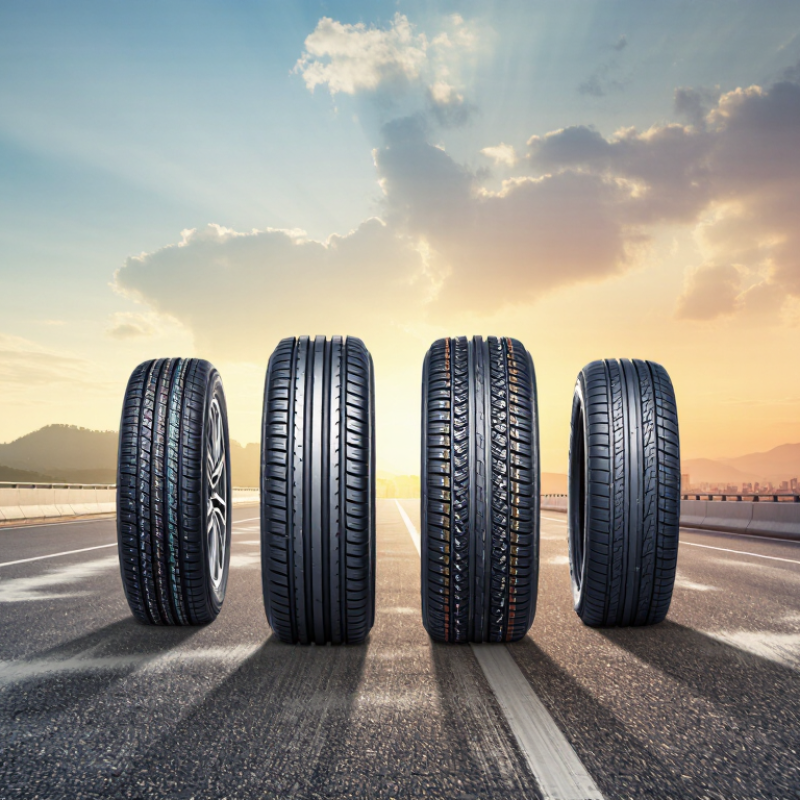
What Are the Best China Car Tyres for Global Buyers?

Understanding China-Made Car Tyres and Their Global Market Role

What Are the Best China Car Tyres for Global Buyers?

China-made car tyres now play a significant role in the global replacement market. Their appeal comes from broad size coverage, competitive pricing, and improving production technology. They serve family cars, commercial vehicles, and many regional road conditions. Yet, country of origin should not decide a purchase. Quality can differ.

A reliable evaluation starts with the tyre’s size, load index, speed rating, and production date code. Buyers should inspect the sidewall for clear markings and consistent moulding. For wet climates, practical testing should include braking on damp roads and cornering stability. Ask for independent test evidence when available. Factory audits matter. So does traceability.

Distribution conditions also affect performance. Tyres may wait for months in hot containers or poorly ventilated warehouses. Buyers should confirm storage practices, warranty terms, and compliance with destination-market requirements. A competitive quote means little if replacement support is slow. Still, no checklist is perfect. Road surfaces, driver habits, and vehicle alignment can change tyre life dramatically. Some purchasing decisions will involve uncertainty, and that deserves honest attention.

What Are the Best China Car Tyres for Global Buyers?

China is a major global supplier of new pneumatic tyres for passenger cars. The chart compares rounded 2023 export values for selected exporting economies under HS 401110. For global buyers, China-made tyres combine large production capacity with broad export availability, while product selection should still be assessed through safety certification, wet-grip performance, rolling resistance, durability, and regional compliance requirements.

Source: UN Comtrade international trade data, HS 401110; values shown in USD billions and rounded.

Key Factors for Comparing China Car Tyres

What Are the Best China Car Tyres for Global Buyers?

Key Factors for Comparing China Car Tyres

Choosing China car tyres requires more than comparing prices. The correct tyre must match your vehicle’s size, load index, and speed rating. These details appear on the sidewall and in the vehicle handbook. A cheaper option may perform poorly if its specifications do not match.

Wet braking deserves close attention. Look for independent test data, verified certification, and clear performance ratings. Tread patterns also matter. Wide grooves can move water away from the contact patch, while smaller blocks may reduce road noise. In workshop inspections, I check for even rubber distribution, clean moulding, and consistent sidewalls. Small defects can reveal weak quality control.

Climate changes the comparison. A tyre designed for hot highways may behave differently on cold, wet roads. Buyers should review temperature limits, expected mileage, and storage conditions before ordering. Rolling resistance can affect fuel or battery use, but low resistance should not replace wet-grip performance. Safety comes first.

Supplier reliability is equally important. Request production dates, test documents, warranty terms, and batch traceability. Avoid unclear labels or promises without evidence. I once trusted a low-cost quotation too quickly, and the delivery specifications differed from the sample. That mistake was avoidable. No comparison is perfect. Road testing, professional fitting, and regular pressure checks still matter after purchase.

What Are the Best China Car Tyres for Global Buyers? - Key Factors for Comparing China Car Tyres

Comparison Dimension Standard Passenger Profile Touring Profile Performance Profile Electric-Vehicle-Oriented Profile
Primary use Daily commuting and mixed urban driving Long-distance travel, family cars and motorway use Sharper steering response and dry-road handling Vehicles requiring higher load capacity, low noise and controlled rolling resistance
Common size examples 185/65 R15; 195/65 R15; 205/55 R16 205/60 R16; 215/55 R17; 225/55 R17 225/45 R17; 235/45 R18; 245/40 R19 215/55 R17; 235/50 R18; 235/45 R19
Typical aspect ratio 55–65 series 50–65 series 35–50 series 45–60 series, depending on vehicle weight and wheel design
Typical speed-rating range T–V, approximately 190–240 km/h H–V, approximately 210–240 km/h V–Y, approximately 240–300 km/h H–W, approximately 210–270 km/h; always follow the vehicle specification
Load-index consideration Select a load index at least equal to the vehicle maker’s requirement Higher load index may be useful for fully loaded vehicles and touring luggage Low-profile construction must still meet the original load requirement Often requires reinforced or extra-load construction because battery packs increase vehicle mass
Wet-road priority Balanced wet braking and drainage for everyday conditions Consistent wet grip over long motorway journeys High wet-grip capability is important because wider tyres can increase aquaplaning sensitivity Prioritise independently tested wet-braking performance rather than relying only on marketing claims
Rolling resistance focus Balanced efficiency and grip Lower rolling resistance can support fuel economy during highway driving Maximum handling may involve a compromise with efficiency High priority because reduced rolling resistance can help extend driving range
Comfort and noise Moderate road noise and compliant ride are normally preferred Usually designed for lower cabin noise and improved ride comfort Stiffer sidewalls can increase steering precision but may reduce ride comfort Low tread noise is especially important because electric powertrains are quiet
Tread-depth reference New passenger tyres commonly have approximately 7–9 mm, but specifications vary Choose a design with wear indicators and inspect depth regularly Performance tread may prioritise handling blocks over maximum tread volume Monitor wear more frequently because higher vehicle weight can increase tyre stress
Certification and compliance Verify required approval markings for the destination market Check conformity documents, sidewall markings and market-specific labelling Confirm that the tyre’s speed and load ratings meet local legal requirements Confirm approval for the vehicle type, axle load and intended replacement size
Best evaluation evidence Independent wet-braking tests, uniformity records and warranty terms Mileage testing, noise measurements, wet handling and casing durability Dry and wet handling tests, high-speed stability and steering response Rolling-resistance data, noise testing, load capability and EV-specific durability evidence
Most suitable buyer priority Value, safety, availability and dependable daily performance Comfort, service life, highway stability and all-weather usability Handling response, steering precision and high-speed control Range efficiency, structural strength, low noise and correct load rating

Note: The figures shown are general industry reference ranges rather than product-specific claims. Final selection should follow the vehicle manufacturer’s approved size, load index, speed rating, inflation pressure and the legal requirements of the destination market.

Best China Car Tyres by Vehicle Type and Driving Needs

Choosing the best China car tyres starts with the vehicle, not the lowest online price. China Association of Automobile Manufacturers reported more than 12.8 million new-energy vehicles sold in 2024. Electric cars need tyres with strong load capacity, low rolling resistance, and controlled road noise. Look for the correct load index and speed rating. Never guess from appearance.

For family sedans, touring tyres with balanced wet grip and comfort suit daily commuting. Compact SUVs need reinforced sidewalls for heavier loads and rougher roads. Drivers in snowy regions should choose certified winter tyres, not ordinary all-season patterns. Performance cars need stable cornering and heat resistance. The choice changes quickly.

The U.S. Department of Energy reports that correct tyre inflation can improve fuel economy, while underinflation increases rolling resistance. That matters even more for electric vehicles. The 2024 J.D. Power tyre satisfaction study also highlights tread wear, appearance, and road noise as important ownership concerns. Check independent wet-braking tests, warranty terms, manufacturing dates, and certification markings before buying.

A quiet tyre is not always the safest tyre. I would accept slightly more noise for stronger rain performance. That is a personal compromise, not a universal rule. Chinese tyre factories can produce varied specifications, but quality control differs between product lines. Rotate tyres regularly, inspect shoulder wear, and measure pressure when the tyres are cold. Small details matter.

How to Evaluate Safety, Quality, and Certification Standards

What Are the Best China Car Tyres for Global Buyers?

Choosing car tyres from China requires more than comparing prices or reading online ratings. Safety begins with the correct size, load index, and speed rating for your vehicle. Check the sidewall carefully. The markings should match the vehicle manufacturer’s specifications.

Independent testing is valuable. Ask for wet-braking, endurance, high-speed, and rolling-resistance results from a qualified laboratory. Look for standards relevant to the destination market, such as UNECE regulations, DOT requirements, or China’s compulsory certification. ISO 9001 can indicate controlled manufacturing, but it does not prove tyre performance. A certificate is not a guarantee. Testing conditions may not reflect every road, climate, or driving habit.

Tips: Request recent test reports, production dates, and batch traceability. Inspect tread symmetry, sidewall finish, and rubber condition before installation. Avoid tyres with unclear markings or missing documentation. Confirm that the supplier can explain warranty procedures in writing. This small detail matters. Also, compare performance data rather than relying on a low purchase price. A cheaper tyre may increase braking distance or wear faster. I would also review local importer requirements, because certification rules differ between markets. No single label answers everything. Experienced buyers should still question incomplete evidence and allow an independent technician to inspect the shipment.

Buying, Importing, and Maintaining China Car Tyres Worldwide

What Are the Best China Car Tyres for Global Buyers?

Buying China car tyres worldwide requires more than comparing prices. Match the tyre size, load index, speed rating, and vehicle purpose. A quiet city tyre may not suit a heavy SUV or long-distance driving. Check the production date, sidewall markings, tread pattern, and available technical documents. Tyres should meet the safety requirements of the destination market. Ask suppliers for test reports, factory inspection records, and clear warranty terms. Do not rely on product photos alone.

Importing also needs careful planning. Confirm carton or pallet protection before shipment, especially in humid sea containers. Request accurate commercial invoices, packing lists, and customs information. Clarify who handles freight, insurance, duties, and port charges. A low quotation can become expensive after storage fees or damaged goods. Inspect several samples before ordering large quantities. The cheapest option is not always the safest choice.

Maintenance protects the original investment. Check cold tyre pressure monthly and before long journeys. Uneven tread wear may indicate poor alignment, suspension problems, or incorrect pressure. Rotate tyres according to the vehicle maker’s guidance, when applicable. Inspect for cuts, bulges, exposed cords, and unusual vibration. Store unused tyres upright, away from sunlight, oil, heat, and moisture. I once treated storage as a minor detail; that was a poor assumption. Tyre performance can change before installation. No checklist is perfect. Recheck conditions after severe weather, rough roads, or extended storage.