What Is Tire and Auto Parts?

What Is Tire and Auto Parts?

The term tire and auto parts covers the components that help a vehicle move, stop, steer, and protect its occupants. Tires create the vehicle’s only road contact. Brake pads convert motion into controlled friction. Filters, belts, batteries, suspension parts, lights, and sensors support daily performance. Each part has a specific job, yet their condition affects the entire vehicle.

Shojiro Ishibashi, founder of Bridgestone, expressed a lasting standard: “Serving Society with Superior Quality.” His principle remains useful when evaluating tires and replacement parts. Quality is not only about a brand name or a polished package. It includes correct fit, suitable materials, manufacturing consistency, and proper installation. A tire with deep tread may still be unsuitable for a heavy vehicle or severe weather. A new brake component may perform poorly if the related caliper or rotor is neglected.

The boundary is not always neat. Some parts improve comfort, while others directly influence safety. Drivers often notice problems only after vibration, noise, uneven wear, or slower braking appears. That delay can make simple maintenance more expensive. Real-world inspection matters. A technician may find a cracked valve stem, a weak battery terminal, or suspension wear hidden behind a clean wheel.

This guide explains tire and auto parts in practical terms. It connects component function with maintenance decisions, warning signs, and replacement needs. It also recognizes an uncomfortable truth: vehicle owners can misunderstand technical advice. Careful checks and qualified guidance remain essential.
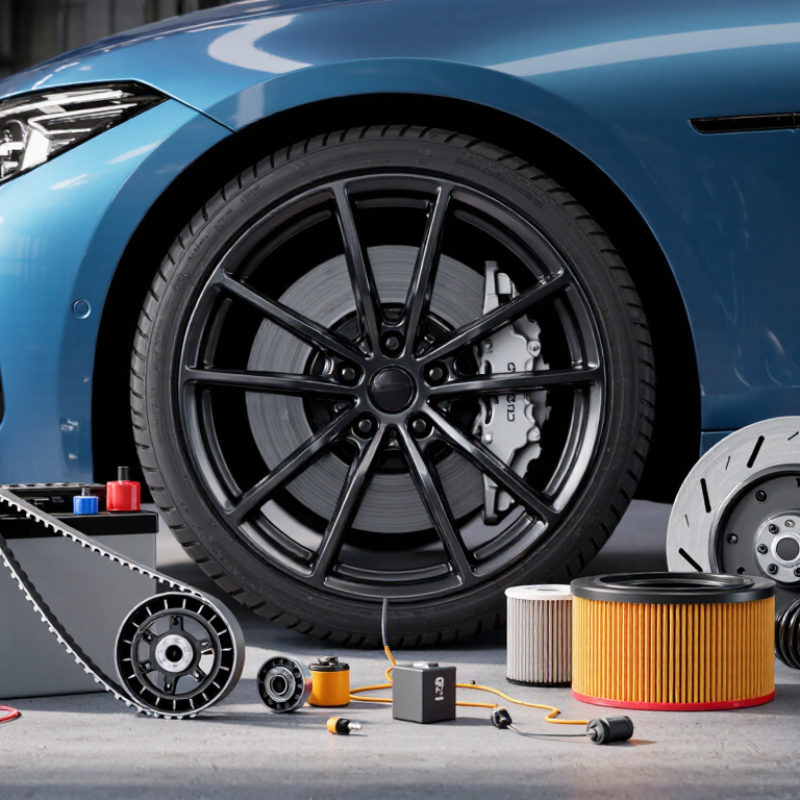
What Is Tire and Auto Parts?

Definition of Tire and Auto Parts

What Is Tire and Auto Parts?

Definition of Tire and Auto Parts

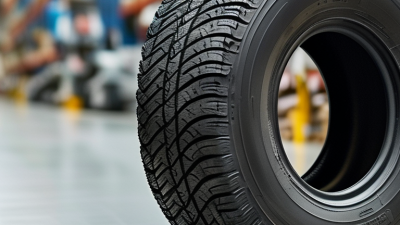
Tires and auto parts are essential components used to move, control, protect, and maintain a vehicle. A tire is a flexible, air-filled covering fitted around a wheel. It creates contact between the vehicle and the road. Tread patterns help manage traction, braking, water, and surface grip. The sidewall shows important details, including size, load capacity, and production information.

Auto parts are the individual components that make a vehicle operate safely and efficiently. They include brake pads, filters, batteries, belts, suspension components, lights, steering parts, and engine elements. Some parts wear gradually. Others may fail without much warning. It is not decorative. Fit matters.

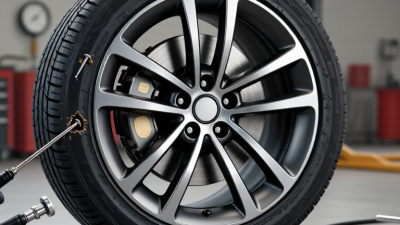
In practical vehicle maintenance, tires and auto parts must match the vehicle’s design and operating conditions. I have seen small differences in tire pressure change steering response and stopping distance. Technicians usually inspect tread depth, uneven wear, cracks, leaks, and wheel alignment. A damaged brake component may also affect tire wear. These issues should not be judged by appearance alone.

Reliable identification requires the vehicle manual, accurate measurements, and verified part information. Part numbers can prevent costly mistakes. A replacement may look correct but still be unsuitable. That detail is easy to miss. Regular inspections remain useful, although they cannot predict every failure. Drivers should also consider road conditions, carrying weight, weather, and driving habits when evaluating tire and auto part performance.

Main Types of Tires and Their Uses

Main Types of Tires and Their Uses

Tires are designed for specific roads, temperatures, and driving demands. All-season tires suit moderate climates and daily commuting. They balance wet grip, tread life, comfort, and light snow performance. However, “all-season” does not mean every season. Winter tires use flexible rubber and deeper grooves. They remain more effective below about 7°C, especially on packed snow. Summer tires provide sharper steering and stronger wet-road handling in warm conditions. Their rubber can become stiff in cold weather.

Performance tires use wider contact patches and stronger sidewalls. They suit responsive driving, but may wear faster and ride more firmly. All-terrain tires combine road manners with gravel and light-mud traction. Their open tread can create more noise. Highway tires usually offer quieter travel and stable handling for larger vehicles. Run-flat designs can support limited driving after air loss, but distance and speed limits vary by specification.

NHTSA advises checking tire pressure monthly, because pressure changes about 1 psi for every 10°F temperature change. It also recommends using the vehicle placard pressure, not the maximum number molded into the sidewall. The U.S. Tire Manufacturers Association reported that 71.6% of scrap tires entered end-use markets in 2021. Selection affects safety, comfort, cost, and waste. The categories overlap, and that makes advice less simple than it sounds. A tire that feels excellent on dry pavement may perform poorly during a cold, rainy commute.

What Is Tire and Auto Parts? - Main Types of Tires and Their Uses

Tire Type Primary Use Typical Tread and Construction Main Advantages Key Limitations Common Vehicle Applications
All-Season Tires Year-round driving in moderate climates Balanced tread pattern with moderate grooves and rubber designed for a broad temperature range Versatile performance, comfortable ride, and generally good tread life Less effective than dedicated winter tires in severe snow and ice; less focused than performance tires Passenger cars, compact vehicles, sedans, and family crossovers
Summer Tires Warm-weather driving on dry and wet paved roads Fewer grooves, larger tread blocks, and rubber compounds optimized for warm temperatures Strong dry-road grip, precise steering, and effective wet-road handling in warm conditions Reduced traction in cold weather, snow, and ice; may wear faster under aggressive driving Sports cars, performance sedans, and vehicles driven in warm climates
Winter Tires Cold weather, snow, slush, and icy roads Deep tread, numerous sipes, and a flexible compound that remains effective at low temperatures Improved braking and traction in winter conditions below approximately 7°C (45°F) Faster wear in warm weather, higher rolling resistance, and seasonal replacement requirements Cars, SUVs, and light trucks operating in regions with regular winter conditions
Performance Tires Responsive handling and high-speed paved-road driving Stiffer construction, wider contact area, and tread patterns designed for cornering stability Sharper steering response, stronger cornering grip, and improved braking on suitable roads Shorter tread life, firmer ride, increased road noise, and weaker cold-weather performance Performance cars, sport sedans, and drivers who prioritize handling
Touring Tires Long-distance travel and comfortable everyday driving Symmetric or asymmetric tread with an emphasis on stable contact and controlled noise Quiet ride, good highway stability, balanced wet and dry performance, and useful tread life Usually less capable in deep snow and less responsive than specialized performance tires Family sedans, minivans, highway vehicles, and long-distance commuters
Highway All-Terrain Tires Mixed highway and light off-road driving More open tread blocks and reinforced construction than standard highway tires Better gravel and dirt traction while retaining reasonable road comfort and stability More noise and rolling resistance than highway tires; not intended for severe off-road terrain Pickup trucks, SUVs, utility vehicles, and recreational vehicles
Mud-Terrain Tires Deep mud, loose soil, rocks, and demanding off-road routes Large, widely spaced tread blocks with reinforced sidewalls and self-cleaning channels Strong off-road traction, durable sidewalls, and improved resistance to certain punctures Louder road noise, reduced fuel efficiency, less precise highway handling, and faster pavement wear Off-road trucks, utility SUVs, work vehicles, and recreational four-wheel-drive vehicles
Run-Flat Tires Maintaining limited mobility after a puncture or loss of air pressure Reinforced sidewalls or an internal support structure that can carry the vehicle temporarily without normal inflation pressure Allows controlled travel for a limited distance and can reduce the need for roadside tire changes Higher cost, firmer ride, limited post-puncture distance, and compatibility requirements Vehicles designed with compatible wheels, tire-pressure monitoring, and suspension systems
Temporary Spare Tires Short-term replacement after a damaged road tire Narrower or smaller design intended for emergency use rather than normal driving Lightweight, space-efficient, and useful for reaching a repair facility Restricted speed and distance; reduced handling, braking, and traction compared with a regular tire Passenger cars and light vehicles equipped with a compact emergency spare

Tire selection should match the vehicle manufacturer’s recommended size, load rating, speed rating, wheel specifications, climate, road conditions, and driving habits.

Essential Auto Parts and Their Functions

What Is Tire and Auto Parts?
Essential Auto Parts and Their Functions

Tires are the vehicle’s only contact with the road. Their tread channels water, while sidewalls support cornering and braking. The U.S. Department of Energy reports that correct tire pressure can improve fuel economy by up to 3%. Low pressure also creates heat, uneven wear, and weaker steering response. NHTSA recommends checking pressure when tires are cold and replacing tires at 2/32-inch tread depth. That small measurement matters.

Other essential auto parts work as a connected system. Brake pads create friction against rotors, converting motion into heat. The battery supplies starting power and stabilizes electrical demand. The alternator recharges it while the engine runs. Air and oil filters protect the engine from dust and contaminants. Suspension parts, including shocks and struts, help keep tires planted over rough pavement. Lights improve visibility, but a dirty lens can reduce their benefit. In practice, many drivers replace a worn tire while ignoring weak brakes or cracked hoses. That shortcut deserves reconsideration.

Tips: Check tire pressure monthly with a reliable gauge. Inspect tread for nails, bulges, and uneven patterns. Measure brake thickness during routine service. Replace filters according to driving conditions, not only mileage. Keep fluid levels visible and documented. A service record is useful, although it can still miss a developing problem. When vibration, pulling, or grinding appears, arrange a professional inspection promptly.

What Is Tire and Auto Parts?

Tires and auto parts work together to support safe movement, braking, engine operation, air quality, and vehicle control. The chart shows typical service-life ranges for common maintenance parts. Actual replacement timing depends on driving conditions, vehicle design, climate, and maintenance practices.

How Tires and Auto Parts Work Together

What Is Tire and Auto Parts?

Tires and auto parts work as one connected safety system. Tires create the road contact, while wheels, bearings, suspension, brakes, and steering control their movement. A tire cannot perform well if worn suspension parts change its angle. Likewise, strong brakes cannot stop efficiently when tires have poor tread or low pressure.

The U.S. Department of Energy reports that correct tire inflation can improve fuel economy by up to 3%. That small percentage matters across thousands of driving miles. Pressure also changes with temperature, load, and slow leaks. A monthly pressure check, using the vehicle’s recommended cold pressure, is more reliable than judging a tire by appearance. It still gets missed.

Tread depth, alignment, and wheel balance should be inspected together. Uneven wear on one shoulder may indicate incorrect alignment, weak suspension, or repeated underinflation. The National Highway Traffic Safety Administration has reported that tire pressure monitoring systems reduced severely underinflated tires by about 55% in studied vehicles. However, electronic warnings do not replace physical inspection. A nail, cracked sidewall, or bent wheel may remain unnoticed. After replacing a tire or steering component, technicians should verify torque, inflation, alignment, and braking response. Small mismatches can create vibration, longer stopping distances, and faster tire wear. Experience shows that the cheapest repair is not always the safest repair.

Selection, Maintenance, and Replacement Guidelines

What Is Tire and Auto Parts?

Selection, Maintenance, and Replacement Guidelines

Choosing tires and auto parts should begin with fit, not price. Check the vehicle manual for size, load rating, speed rating, and approved specifications. A tire may look suitable but still handle poorly under heavy loads. NHTSA’s tire-safety research estimates about 11,000 tire-related crashes occur annually in the United States. That figure deserves attention, even though road conditions and driver behavior also influence risk.

Inspect tires monthly, including the spare. Use a reliable gauge when the tires are cold, then match the pressure shown on the vehicle placard. Look for cracks, bulges, uneven wear, and objects trapped in the tread. The U.S. Tire Manufacturers Association reports that correct inflation supports safer handling, longer tread life, and improved fuel efficiency. Auto parts require similar care. Replace worn wiper blades, damaged belts, weak batteries, and exhausted filters before failure becomes inconvenient or dangerous. I have learned that a clean visual inspection is useful, but it can miss internal damage.

Tips: Rotate tires according to the service schedule, often every 8,000 kilometers. Record pressure checks and replacement dates. Replace tires when tread indicators meet the surrounding tread, or earlier if damage appears. Do not mix unsuitable sizes or ratings. If steering feels uneven, seek a qualified technician’s inspection. Small vibrations matter. Sometimes, I ignored them too long.