Top 10 Factors That Affect Car Alignment Cost
Car alignment cost rarely has one simple answer. RepairPal’s industry cost data places a typical wheel alignment near the $150–$200 range, but vehicle type, location, and required adjustments can change the final invoice. Luxury vehicles may need specialized equipment. Collision damage can raise the bill sharply.
Consumer Reports’ chief mechanic, John Ibbotson, explains the warning sign clearly: “If your car is pulling to one side, it could be a sign that your alignment is off.” That symptom matters, but it does not prove an alignment problem. Uneven tire pressure, worn suspension parts, or a damaged tire can create similar behavior.
The Auto Care Association’s 2024 Factbook shows the U.S. automotive aftermarket remains a massive service industry. That scale gives consumers more repair options, but it also creates uneven pricing. A low quote may cover only front-wheel adjustment. Another shop may include all four wheels, a road test, and a printed measurement report.
This guide examines the top 10 factors that affect car alignment cost. It considers labor rates, vehicle design, tire condition, suspension wear, regional pricing, and accident-related damage. Small details matter. A steering wheel sitting two degrees off-center can reveal a larger issue.
An average price is not a promise. Ibbotson’s warning deserves attention, because alignment symptoms can overlap. Comparing written estimates is sensible, though even that step is imperfect. Ask what the quote includes before approving the work.
What a Wheel Alignment Includes and Why It Affects the Price
A wheel alignment is more than pointing the tires straight.
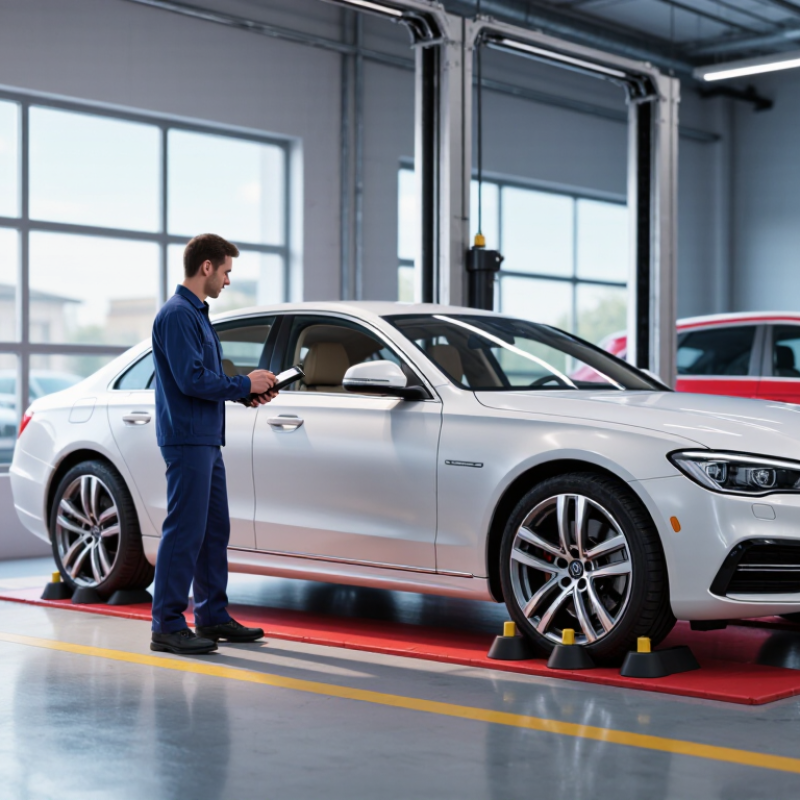
A technician checks toe, camber, and caster against the vehicle’s factory specifications. The service may also include tire-pressure checks, steering inspection, suspension checks, adjustment, and a road test. Some shops provide a before-and-after measurement sheet. That document matters.
Alignment cost rises when the inspection finds worn tie rods, bent control arms, damaged bushings, or seized adjustment bolts. Labor time changes sharply in these cases. The U.S. Bureau of Labor Statistics reported a median annual wage of $47,770 for automotive service technicians and mechanics in May 2023. Regional labor rates therefore influence the final bill. A basic two-wheel adjustment may cost less than a four-wheel alignment requiring rear-axle corrections. Electronic steering or driver-assistance calibration can add separate labor.
The National Highway Traffic Safety Administration identifies tire and vehicle-condition problems as important safety concerns, but alignment alone cannot fix every handling issue. Uneven tread wear may reveal a deeper suspension fault. A low quote can be useful, yet it may cover measurements only. Ask whether adjustment, inspection, and a printed report are included. I would not treat any advertised average as universal. Road salt, potholes, and an older suspension can change the price quickly. That distinction is often missed.
How Alignment Type, Equipment, and Service Scope Change the Bill
Top 10 Factors That Affect Car Alignment Cost
Alignment type is a major price divider. A front-end alignment adjusts the front wheels; a four-wheel service measures all four and may correct rear angles. Not every car allows every angle to be adjusted. A technician may still charge for a full measurement when only one axle needs correction.
Equipment and labor matter, too. Computerized systems use cameras or sensors to compare wheel angles with vehicle specifications. Setup takes time: a car must sit level, and sensors must be mounted accurately. AAA’s 2024 Your Driving Costs study estimated $1,186 yearly for maintenance, repairs, and tires over a new vehicle’s first five years. That figure is not an alignment price; it shows how these services fit into broader ownership costs.
Ask what the quoted service includes. A printout of before-and-after readings, a road test, and adjustments to accessible suspension points may be included—or billed separately. Worn parts, rusted adjustment bolts, or uneven tire wear can add labor or require repairs before alignment. That can be frustrating. A low quote may cover measurement only, while a higher one may include adjustments and a follow-up check. I would compare the written scope, not just the total, and ask whether extra work needs approval.
Top 10 Factors That Affect Car Alignment Cost
How alignment type, equipment, and service scope can change the bill
Typical U.S. consumer pricing is shown as an estimated midpoint for common passenger-vehicle services. A basic two-wheel alignment generally costs less than a four-wheel alignment, while advanced equipment, seized adjustment parts, wheel or suspension repairs, and ADAS calibration can substantially increase the final bill. Actual prices vary by vehicle design, labor rates, location, and required service scope.
How Tire and Suspension Condition Can Add Repair Costs
Top 10 Factors That Affect Car Alignment Cost
How Tire and Suspension Condition Can Add Repair Costs
A wheel alignment is rarely just a steering adjustment. In my experience, worn tires often make the inspection more complicated. Uneven tread can hide the original cause of pulling or vibration. A technician may recommend tire replacement before alignment. Otherwise, the vehicle may still handle poorly after the service.
Suspension damage can increase the bill quickly. Bent tie rods, loose ball joints, worn control-arm bushings, and leaking struts can prevent accurate alignment measurements. These parts must usually be repaired first. A vehicle that struck a deep pothole may need more than a standard alignment. Labor time also rises when rusted fasteners resist removal. Even experienced technicians can overlook a small suspension play during a rushed inspection. That is worth questioning.
Tips: Ask for a before-and-after alignment report. Check tire pressure before the appointment. Request a clear estimate for parts and labor. If one tire is badly worn, ask whether replacement should happen before alignment. A second inspection can help when the repair list feels uncertain. Small details matter. Keep old parts available for review when possible. They may show whether replacement was truly necessary. Costs vary by vehicle design, local labor rates, and the condition found during inspection.
How Labor Rates, Location, and Shop Policies Influence Pricing
Top 10 Factors That Affect Car Alignment Cost
Labor rates, location, and shop policies can change an alignment quote as much as the vehicle itself. The U.S. Bureau of Labor Statistics reported a median annual wage of $47,770 for automotive service technicians and mechanics in May 2023. That figure is employee pay, not a shop’s hourly customer rate. A repair bill also covers equipment, training, rent, and time spent checking suspension parts.
Location matters. A shop in a high-rent urban area may charge more than one in a smaller town. Local competition and technician availability can shift rates, too. Before booking, ask whether the estimate includes a four-wheel measurement, adjustments, and a printed before-and-after report. Some shops charge extra when worn tie rods or other parts prevent proper alignment. Policies differ, so a low advertised price may not cover the work your car needs. Comparing quotes is useful, but the details can be annoyingly hard to match.
Tips: Request an itemized estimate and ask what could trigger extra charges. Check whether a recheck is included if the steering wheel remains off-center. The BLS wage data offers useful context, but it cannot predict your local bill. Ask two nearby shops for comparable services.