How to Check Car Alignment Cost in 2026?
Checking car alignment cost in 2026 requires more than comparing the cheapest number online. A sedan may need a simple two-wheel adjustment, while an SUV or electric vehicle may require four-wheel alignment and extra calibration. Prices also change by location, vehicle design, shop equipment, and technician experience. A quote that looks affordable may exclude inspection fees, damaged suspension parts, or post-repair measurements.
Small clues often reveal an alignment problem. Your steering wheel may sit slightly crooked on a straight road. The car may drift toward the curb. Uneven wear can appear on one tire’s inner edge, like a thin, ragged strip of rubber. These signs deserve attention, even when the vehicle still feels drivable. It is easy to blame tire pressure or road slope, and sometimes that guess is correct. It can also delay a needed repair.
This guide explains how professionals estimate car alignment cost and what a trustworthy inspection should include. It compares basic front-end adjustments, four-wheel services, and possible additional charges. Manufacturer specifications, digital alignment readings, and a written inspection report offer stronger evidence than a verbal promise. Ask whether the shop checks suspension components before adjusting angles. Alignment cannot correct a bent tie rod or worn control-arm bushing.
Prices are never perfectly predictable. That is worth admitting. A realistic estimate should separate labor, parts, taxes, and calibration. With those details, drivers can judge value instead of choosing a shop by price alone.
What Does a Car Alignment Service Include in 2026?
How to Check Car Alignment Cost in 2026?
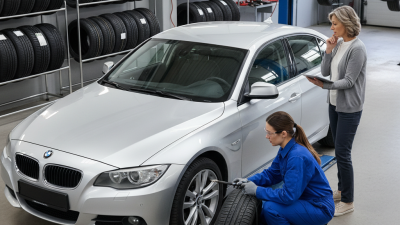
A car alignment service in 2026 usually starts with a suspension and steering inspection. The technician checks tire wear, wheel movement, steering components, and ride height. This step matters because worn parts can make alignment results unreliable. It may also add repair costs before adjustment begins.
The actual service measures camber, caster, and toe angles with digital equipment. The technician compares each reading with the vehicle’s recommended specifications. Adjustments may involve the front wheels, rear wheels, or both axles. A careful shop should provide before-and-after measurements and explain every correction. Some services include a short road test, but policies differ. Ask whether the quoted price covers inspection, adjustment, equipment use, and the final report. Parts are usually separate.
Tips: Request a written estimate before work starts. Ask about extra charges for seized adjusters or damaged suspension parts. Check whether a two-wheel or four-wheel alignment is appropriate. I once assumed uneven tire wear always meant poor alignment. That assumption was wrong. Low tire pressure, worn bushings, or bent components can create similar symptoms. Prices also vary by vehicle design, local labor rates, and the amount of adjustment required. A very low quote may exclude important inspection steps. A higher quote is not automatically better, either. Look for clear measurements, practical explanations, and an honest answer when alignment cannot fix the underlying problem.
How to Check Car Alignment Cost in 2026
A typical U.S. wheel alignment service is commonly priced at about $50–$100 for a front-end alignment and $100–$200 for a four-wheel alignment. Vehicles with advanced suspension systems or alignment-related repairs may cost more.
What Does a Car Alignment Service Include?
- Initial inspection of steering, suspension, tires, and wheel angles
- Measurement of camber, caster, and toe
- Adjustment of available alignment angles to manufacturer specifications
- Steering wheel centering and final measurement report
- Road test when required
Note: The figures are typical 2026 planning ranges in U.S. dollars. Damaged suspension parts, uneven tire wear, electronic steering systems, taxes, and additional calibration may increase the final price.
Which Factors Determine Car Alignment Cost?
Car alignment cost in 2026 depends on more than the adjustment itself. The vehicle’s suspension design matters. A basic two-wheel alignment often requires less labor than a four-wheel setup. Electronic steering systems can also increase diagnostic time. According to the 2024 Your Driving Costs study, maintenance, repair, and tire expenses averaged 9.83 cents per mile. That equals about $1,475 for 15,000 miles. Alignment is only one part of that budget, but poor alignment can accelerate tire wear.
Labor rates create another major difference. Urban repair shops usually charge more because rent and technician wages are higher. Regional pricing matters. A bent tie rod, worn bushing, or damaged control arm may need replacement before alignment. That repair can cost more than the alignment service. Ask whether the quote includes inspection, adjustment, steering-angle calibration, and a printed before-and-after report. Details matter.
Tire condition matters too. Uneven shoulder wear may suggest incorrect toe or camber settings. A technical report from the U.S. National Highway Traffic Safety Administration links tire condition and maintenance with vehicle safety risks. However, a single report cannot identify every fault. I have found quick price estimates useful, but they can mislead when suspension damage is hidden. Compare the inspection findings, labor time, adjustment limits, and warranty terms before approving work.
How to Estimate Local Car Alignment Prices
Estimating local car alignment prices in 2026 starts with labor, not guesswork. Ask nearby repair shops for their posted hourly rate and alignment procedure. The U.S. Bureau of Labor Statistics reported a median annual wage of about $49,670 for automotive service technicians in 2023. Shop prices are higher because they include equipment, rent, training, and warranty support. A basic two-wheel alignment may cost $70–$120 locally. Four-wheel alignment commonly reaches $120–$220.
Your vehicle and its condition can change the quote quickly. A damaged tie rod, worn control arm, or seized adjustment bolt may add parts and labor. Some newer vehicles also require steering-angle calibration after alignment. Request a written estimate separating inspection, alignment, repairs, calibration, taxes, and disposal fees. Ask whether a road test and before-and-after measurements are included. Small detail. It matters.
A 2024 national driving-cost study estimated maintenance, repairs, and tires at 9.83 cents per mile, or about $1,475 for 15,000 miles. Alignment is only one part of that budget, so the figure cannot predict your invoice directly. Still, it helps reveal an unrealistic quote. Compare at least three local estimates within the same week. My first estimate is often too neat; regional labor differences and vehicle condition create uncertainty. Keep the measurement sheet, because uneven tire wear may reveal a second problem later.
How to Compare Alignment Quotes and Service Packages
How to Check Car Alignment Cost in 2026?
When comparing alignment quotes, ask for an itemized price rather than a single total. A standard alignment often falls near $100 to $200, but vehicle design and local labor rates can change that figure. The American Automobile Association’s 2024 Your Driving Costs report estimated $1,475 annually for maintenance, repairs, and tires. That broader cost explains why a low alignment quote may deserve closer inspection. It might exclude diagnosis, adjustment, or a follow-up check.
Compare the actual service package. Does it include a four-wheel alignment, steering and suspension inspection, road testing, and a printed measurement report? Check whether technicians will adjust toe, camber, and caster when the vehicle allows it. Some packages only measure angles. They do not correct them. That difference matters after a curb impact or uneven tire wear. Ask about the warranty period, excluded parts, shop fees, and the charge for a failed inspection.
A practical comparison uses the same questions for every shop. Request labor hours, required parts, taxes, and possible extra charges in writing. Government consumer-price data also shows vehicle maintenance costs can shift over time, so an old online price may mislead. A comparison is never perfectly clean. I would not choose the cheapest quote automatically. A higher price can be reasonable when it includes suspension diagnosis and documented results. Still, some expensive packages add little value. Read the details.
How to Check Car Alignment Cost in 2026? - How to Compare Alignment Quotes and Service Packages
| Service Package |
Typical Vehicle or Need |
Wheels Adjusted |
Typical 2026 Price Range (USD) |
Diagnostic Check |
Before-and-After Printout |
Road Test |
Best Used When |
| Alignment Inspection Only |
A vehicle with uneven tire wear, steering pull, or a recent impact |
None |
$30–$70 |
Basic |
Usually not included |
No |
Confirming whether adjustment is actually needed |
| Two-Wheel Alignment |
Many front-wheel-drive vehicles with adjustable front alignment angles |
2 |
$60–$100 |
Standard |
Often included |
May be included |
Only the front axle requires adjustment |
| Four-Wheel Alignment |
Most modern vehicles, especially independent rear-suspension models |
4 |
$90–$180 |
Standard |
Usually included |
Often included |
Checking front and rear alignment angles together |
| Alignment with Suspension Inspection |
Vehicles with clunks, loose steering, worn components, or pothole damage |
2 or 4 |
$120–$250 |
Detailed |
Usually included |
Often included |
Finding a mechanical cause before alignment adjustment |
| Alignment After Suspension Repair |
A vehicle after replacing steering, suspension, or major underbody parts |
2 or 4 |
$100–$220 |
Detailed |
Usually included |
Usually included |
Restoring steering geometry after repair work |
| Alignment with Adjustment Hardware |
Vehicles needing shims, eccentric bolts, or other adjustment parts |
2 or 4 |
$180–$400+ |
Detailed |
Usually included |
Often included |
Correcting alignment that cannot be set within specification normally |
How to compare quotes: Ask whether the price includes all four wheels, a pre-alignment inspection, adjustment labor, a computerized measurement report, road testing, taxes, and any required parts. These are typical U.S. planning ranges for 2026; actual prices vary by location, vehicle design, damage, labor rates, and parts required.
How to Confirm the Final Cost Before Repairs
How to Check Car Alignment Cost in 2026?
How to Confirm the Final Cost Before Repairs
A wheel alignment quote should begin with a complete inspection, not a guessed price. Ask the technician to measure camber, caster, and toe angles before approving repairs. These readings show whether adjustment alone can solve the problem. Request a written estimate that lists inspection fees, labor, taxes, and any required parts.
Ask whether the quoted price covers all four wheels. Some vehicles need only front adjustments, while others require a full alignment. Confirm the expected completion time and whether a second measurement is included. A reliable repair facility should explain the results in plain language and show the before-and-after readings. Keep the document.
The final cost can change if the inspection finds worn tie rods, damaged control arms, uneven tires, or bent suspension parts. Ask for photographs or clear measurements before accepting additional work. You can also request separate prices for alignment and replacement parts. Do not approve vague phrases such as “front-end work.”
It is easy to assume the lowest quote is the best choice. That can be a costly mistake. I would compare at least two detailed estimates, but the comparison is imperfect when services differ. Confirm the warranty period, payment total, and refund policy before repairs begin. Get everything in writing.