A flat tire rarely waits for a convenient place. It may happen on a gravel shoulder, in a cold driveway, or miles from the nearest service shop. The right tire repair kit can help drivers manage a small puncture and reach professional help. But a kit is not a substitute for a proper inspection.
The stakes are real. NHTSA’s 2022 Traffic Safety Facts report recorded 646 fatalities in crashes involving tire-related factors. That figure does not mean a repair kit prevents crashes; it underscores why tire condition and correct repairs matter. The U.S. Tire Manufacturers Association (USTMA) advises that punctures be assessed for location and damage, and that permanent repairs follow its industry procedures. Sidewall damage, large holes, and tires driven while flat may be unrepairable.
A useful reminder comes from Kevin Rohlwing, a tire-service training expert with the Tire Industry Association: “A plug is not a repair.” A plug-only fix can leave the inner liner unsealed. Small details matter.
This guide compares tire repair kits for cars and trucks, including plug tools, sealant-based products, and compact inflators. We’ll look at what each kit can handle, how easy it is to use beside a vehicle, and what supplies it includes. A tidy case is nice. A clear set of instructions and compatible components matter more. Some kits also leave unanswered questions about durability or tire compatibility; that deserves scrutiny. After an emergency repair, have a qualified tire professional inspect the tire as soon as possible.
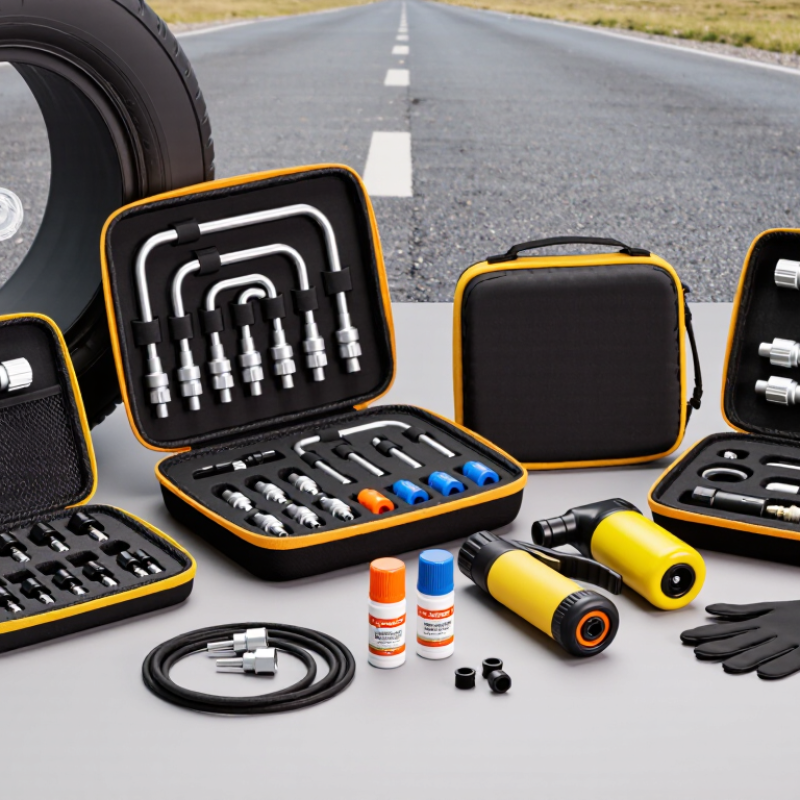
A tire repair kit for a car or truck is meant for limited roadside trouble, not every flat. Most kits include plugs, an insertion tool, a reamer, and sometimes a compact air compressor. Sealant-based kits work differently and may not suit every tire or pressure-monitoring system. Check the instructions and your vehicle manual before choosing a kit. Tire size and construction matter. For a small puncture in the tread, a plug may help you reach a repair shop. Details matter. A sidewall cut, bulge, or large tear calls for a spare tire or roadside assistance instead. A plug is not a permanent repair.
Use a kit only after moving to a stable, safe place. If the tire is badly damaged, do not drive on it. Follow the kit instructions closely, and avoid removing an embedded object unless those instructions say to. Inflate the tire to the pressure listed on the vehicle’s door placard, then check it again after a few minutes. A slow leak can be easy to miss. It is not magic. A practical kit should match your vehicle and have clear instructions and manageable tools. Still, treat a roadside repair as temporary and arrange a prompt inspection by a tire professional.
Drivers comparing tire repair kits should focus on the repair method, not the number of tools in the case. Most roadside kits use rope-style plugs for small punctures in the tread. They typically include a rasp to clean the hole, an insertion needle, rubber plugs, and sometimes vulcanizing cement. These kits are compact and useful in a pinch. In real roadside use, cold hands and poor light can make small tools frustrating. A plug is generally a temporary measure, not a substitute for an internal inspection.
Inflator-and-sealant kits work differently. A bottle of liquid sealant connects to a compressor, which pushes the mixture through the valve and into the tire. They can be quick, but sealant may not handle larger cuts and can complicate later tire service. Check the sealant’s expiration date, the compressor’s pressure gauge, and compatibility with tire-pressure sensors. Small details matter.
For a lasting repair, internal patch-plug kits are used after the tire is removed and inspected from inside. They combine a patch with a stem that fills the puncture channel; a trained technician can assess the damage and repair location. Sidewall damage, exposed cords, or a large gash calls for professional evaluation, not a roadside plug. Truck owners should check kit capacity, since heavier tires may need a stronger compressor and longer hoses. That assumption is easy to miss.
Typical core component categories in four common tire repair kit types
Counts represent illustrative core component categories, not a market survey; kit contents vary. String-plug and patch kits repair punctures using different methods, while sealant-and-inflator kits are generally intended for temporary use. Follow the kit instructions and have a repaired tire inspected by a qualified tire professional.
Top Tire Repair Kits for Cars and Trucks
How to Choose a Kit for Your Vehicle and Tire
Start with your vehicle manual, not the biggest kit on the shelf. Check whether your car or truck uses tubeless tires and whether its manufacturer permits sealant or plug repairs. Compare the kit’s tools with your tire size, valve type, and likely puncture location. A small compressor can restore pressure in a driveway, but it may struggle with a large truck tire. Fit matters.
Repair limits matter more than tool count. The U.S. Tire Manufacturers Association’s puncture-repair procedures restrict repairs to eligible tread-area damage no larger than 1/4 inch (6 mm); sidewall damage is not repairable. Its guidance also rejects a plug-only repair as a permanent fix. Choose a kit for temporary roadside use, then have the tire inspected and properly repaired or replaced. Read the manual. A sealant may also affect tire-pressure monitoring sensors, so check compatibility before use.
Think about the roadside conditions you may actually face: a dark shoulder, cold hands, or a tire that has lost nearly all pressure. A kit with gloves, a clear pressure gauge, and a compressor with enough reach can be more useful than extra plugs. NHTSA reported 646 fatalities in tire-related crashes in 2022, a reminder that tire trouble deserves care, not guesswork. A kit cannot make every tire safe to drive on. That still leaves judgment calls.
A tire repair kit can help with a small tread puncture, but it is usually a temporary roadside fix. Park on firm, level ground, switch on the hazard lights, and apply the parking brake. Stay clear of moving traffic. Check the kit instructions before starting, and do not repair a sidewall cut, a bulge, or a large tear.
If it is safe, locate the puncture and remove the object only when you are ready to insert the plug. Use the kit’s reamer to clean and prepare the hole, following its directions. The tool can feel rough in your hands; that part is easy to rush. Thread a repair plug into the insertion tool, press it into the puncture, then pull the tool out as instructed. Trim excess plug material if the kit calls for it.
Inflate the tire to the vehicle’s recommended pressure, using a gauge rather than judging by appearance. Apply soapy water around the repair and check for growing bubbles. If air continues to escape, do not drive on it. Even a successful repair needs prompt inspection by a tire professional, since the tire must be checked from inside. Keep it temporary.
A repair kit can get a vehicle moving, but it cannot fix every tire. The U.S. Tire Manufacturers Association says a repairable puncture must be in the tread area and no larger than 1/4 inch (6 mm). Damage to the sidewall or shoulder needs professional inspection, not a roadside plug.
NHTSA’s 2022 Traffic Safety Facts reports 646 deaths in crashes involving tire-related factors. A kit is a temporary measure, not a safety guarantee.
Before using a sealant or plug, check the vehicle manual and the kit’s instructions. Pull over somewhere stable, switch on hazard lights, and inspect for bulges, exposed cords, or a rapidly deflating tire. Do not repair a tire with structural damage.
After inflation, use a pressure gauge and follow the vehicle’s recommended pressure; then seek professional inspection promptly. A loaded truck may handle differently, so avoid assuming a repair will hold under heavy loads or long distances.
Check sealant expiration dates and replace opened or dried-out cartridges. Keep gloves, a working gauge, and the correct power connector in the kit. Practice locating the spare and jack before a breakdown.
Small details matter. A neglected kit can be useless when needed.