Why Is Flat Tire Assistance Essential for Fleets?

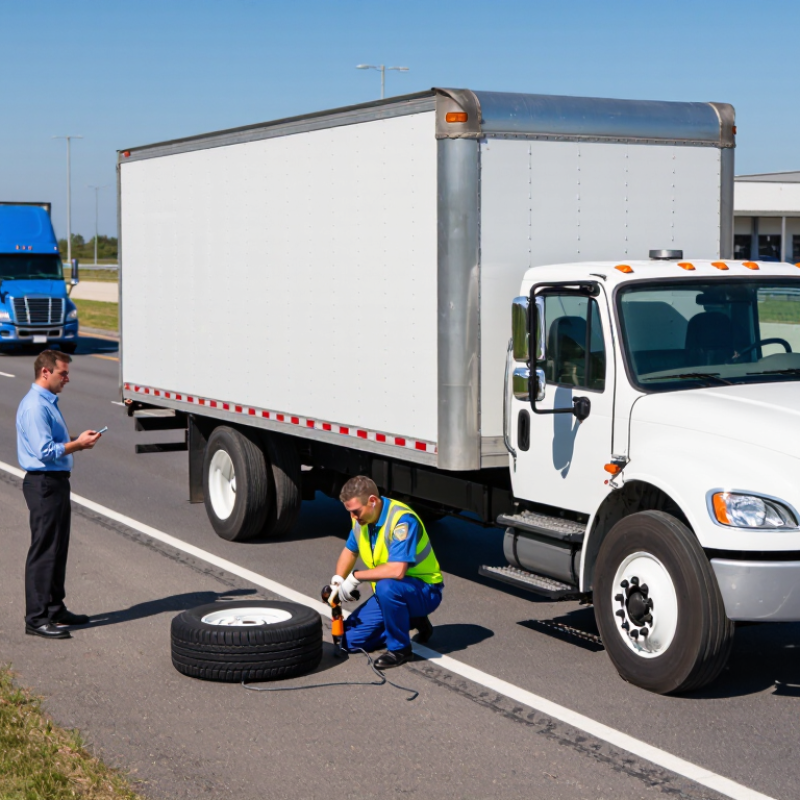
A flat tire can turn a routine delivery into a roadside delay. A truck may be stopped beside a busy highway, its load secure but its schedule slipping. For fleet operators, flat tire assistance is not merely a repair service; it is a way to reduce uncertainty when a vehicle cannot safely continue. Quick access to a qualified technician can help limit downtime, protect drivers from roadside exposure, and keep dispatchers informed.

As an illustrative composite voice—not a verified quotation—fleet-maintenance adviser Jordan Ellis might put it this way: “A tire failure is small in size, but its disruption can spread across an entire route.” The point is practical. A missed delivery can affect customers, driver hours, and the next vehicle assignment. Still, assistance is not magic. Response times vary by location, weather, tire availability, and provider coverage. Fleets need to check those details before a breakdown happens.

That preparation matters. Dispatchers should know how to report a truck’s location, tire type, and safe access conditions. Drivers need clear instructions and a way to contact support without standing near moving traffic. A spare tire may help in some cases; in others, a mobile repair or tow is the safer option. The right response depends on the situation.

Small details count. A clear process can turn a stressful stop into a managed interruption. It can also reveal gaps in a fleet’s roadside plan—gaps worth reviewing before the next tire fails.
Why Is Flat Tire Assistance Essential for Fleets?

What Flat Tire Assistance Includes for Commercial Fleets

For commercial fleets, flat tire assistance is more than a spare tire and a quick change. It can include roadside assessment, tire replacement or repair when appropriate, and help moving a disabled vehicle to a safe location. Dispatchers may need to share the vehicle’s location, tire size, load details, and access restrictions so the service provider arrives prepared. A loaded van on a narrow shoulder needs different handling from an empty truck in a depot.

Reliable assistance also depends on clear communication. Drivers should know whom to call and what information to provide, while fleet managers should understand service hours, coverage areas, and possible delays. Not every tire can be repaired safely at the roadside. Sometimes towing or a replacement tire is the practical option, even if it disrupts the schedule. Plans can still have gaps; reviewing past callouts may reveal them.

Tips: Keep tire sizes and vehicle details accessible. Ask drivers to photograph the tire and nearby hazards from a safe position. Confirm whether assistance covers labor, replacement tires, and after-hours calls. Small details matter. A spare that is missing or the wrong size can turn a short stop into a long one.

Common Causes and Risks of Fleet Tire Failures

Why Is Flat Tire Assistance Essential for Fleets?

Common Causes and Risks of Fleet Tire Failures

Fleet tire failures often begin with small, easy-to-miss problems: low pressure, worn tread, a slow leak, or a sharp object picked up near a loading bay. Heavy loads and repeated curb impacts can add stress. A tire that looks acceptable during a quick walk-around may still lose air overnight. The risk is more than a roadside delay. A blowout can make a loaded vehicle difficult to control, damage nearby components, and leave drivers exposed while waiting for help. In its 2024 International Roadcheck results, the Commercial Vehicle Safety Alliance reported that 23.2% of inspected commercial motor vehicles were placed out of service. That figure covers all vehicle defects, not tires alone, but it shows how routine inspection failures can disrupt operations.

Tips: Check pressure with a gauge, not by eye. Inspect tread, sidewalls, and valve stems before routes, especially after heavy loading or rough-road travel. Record recurring pressure loss; a quick top-up can hide a developing leak. It is easy to miss one.

When a tire fails far from a depot, prompt flat tire assistance can limit downtime and help keep a driver from attempting an unsafe roadside repair. The response still depends on accurate location details, vehicle type, and tire size. Fleet managers should review service records and repeated failure locations, then adjust inspections where patterns appear. Data helps, though it does not catch every hazard. A nail can be waiting just beyond the gate.

How Flat Tires Disrupt Fleet Safety and Operations

A flat tire can turn an ordinary route into a roadside hazard. A loaded truck may drift when pressure drops, while a driver may struggle to control it during a sudden failure. On narrow shoulders, passing traffic leaves little room to inspect the damage. That changes the risk quickly. Even a slow leak can affect braking, steering, and tire temperature before anyone notices a clear problem. Drivers need a safe place to stop, visible warning equipment, and a clear way to contact dispatch. These steps sound simple. Under pressure, they are easy to miss.

The disruption spreads beyond the vehicle. A delayed delivery can leave a customer waiting, push later stops off schedule, and keep another driver or vehicle occupied. Dispatchers may need to rearrange routes while tracking the repair. In practice, the hardest part is not always the tire itself; it is coordinating help at the right location. Fleet operators can reduce confusion by recording tire details, vehicle locations, and roadside contacts in an accessible system. Regular pressure checks and tread inspections also help identify problems before departure. They cannot prevent every puncture, of course. A nail can appear anywhere. Still, a practiced response can limit roadside exposure, reduce uncertainty, and help a driver return to work safely. One missed inspection may seem minor, until it delays an entire shift.

Why Is Flat Tire Assistance Essential for Fleets? — How Flat Tires Disrupt Fleet Safety and Operations

Impact Area What a Flat Tire Can Disrupt Operational Measure to Track How Fleet Assistance Helps
Roadside safety A disabled vehicle may be exposed to passing traffic, limited visibility, or unsafe roadside conditions. Breakdowns by road type, location, and time of day Coordinates a response and helps the driver follow the fleet’s roadside safety procedures.
Driver safety Changing a tire near moving traffic or in poor weather can expose a driver to injury. Driver incidents and roadside tire changes Arranges qualified roadside support when changing the tire on-site is unsafe or impractical.
Vehicle downtime The vehicle may be unavailable while the driver assesses the problem, obtains help, and waits for repair or recovery. Time from breakdown report to vehicle return to service Provides a clear reporting and dispatch process to help reduce avoidable delays.
Delivery and service schedules Late deliveries, missed appointments, and route changes can follow an unplanned stop. Delayed stops and jobs affected per tire incident Enables dispatchers to coordinate assistance, reroute work, or arrange a replacement vehicle where available.
Vehicle and cargo protection Continuing to drive on a flat or damaged tire can cause further vehicle damage and may affect cargo security. Secondary damage and cargo-related incidents Helps drivers stop, report the issue, and obtain an appropriate repair or recovery service.
Unplanned costs Emergency repairs, towing, missed work, and replacement transport can add to the cost of an incident. Cost per tire event, including downtime and recovery Supports consistent service authorization and incident documentation for cost review.
Fleet visibility Without a central report, managers may not know where the vehicle is, what help is needed, or when it will be moving again. Report completeness and response-status updates Creates a shared process for recording location, vehicle details, service status, and resolution.
Preventive maintenance Repeated tire failures can indicate issues such as underinflation, damage, overloading, or maintenance gaps. Repeat tire events by vehicle, tire position, and cause Provides incident records that can help maintenance teams identify patterns and take preventive action.

Note: Impacts and tracking measures are general fleet-planning guidance; actual downtime, costs, and risks vary by vehicle, location, road conditions, and service availability.

How Roadside Assistance Reduces Downtime and Costs

A flat tire can turn a scheduled delivery into hours of waiting, especially when a truck is far from a depot. The American Transportation Research Institute’s 2024 annual cost report put tire expenses at about 4.5 cents per mile for trucking operations. That figure covers more than roadside failures, but it shows how tire costs accumulate across a fleet. Fast assistance can limit the extra expense of a tow, missed appointments, and a driver sitting beside a disabled vehicle. Minutes matter.

Roadside support also helps dispatchers make clearer decisions. A service provider can identify the tire size, vehicle location, and safe access point before sending help. That preparation may reduce repeat calls and avoid sending the wrong equipment. It cannot erase every delay; weather, traffic, and tire availability still matter. And a rushed repair is no bargain if it creates another failure down the road. Fleet managers should track response times, repeat incidents, and repair outcomes, not just the invoice.

Tips: Keep tire sizes, load details, and vehicle locations current in dispatch records. Ask drivers to share clear photos when it is safe. Review roadside invoices monthly and compare recurring callouts by route. Small patterns matter. A trailer with repeated punctures near one loading site may point to debris or a process issue, not bad luck.

Why Flat-Tire Assistance Matters for Fleets

A faster roadside response can reduce vehicle downtime and help limit the cost of a flat-tire event.

Illustrative scenario, not an industry benchmark: assumes $100 per vehicle-hour of downtime, 4.0 hours without assistance, 1.5 hours with assistance, and a $120 roadside-service fee. Estimated event cost falls from $400 to $270, while downtime falls by 62.5%.

Key Factors in Choosing a Fleet Tire Assistance Program

A fleet tire assistance program should be judged by how quickly it can reach a disabled vehicle, not by promises alone. Ask for realistic response-time targets across your actual routes, including rural roads, night shifts, and severe weather. A technician arriving with the wrong tire or an incompatible wheel can add hours to a roadside stop. Small details matter.

Cost deserves careful scrutiny. The American Transportation Research Institute’s 2024 report estimated average trucking operating costs at $2.270 per mile in 2023, with repair and maintenance among the tracked cost categories. That figure is not a tire-service price, but it shows why preventable delays and repeat repairs can affect fleet budgets. Compare call-out fees, mileage charges, after-hours rates, and replacement-tire pricing. Ask whether invoices separate labor, parts, and travel. Clear records help managers spot recurring failures by vehicle or route.

Coverage and communication matter just as much. Confirm that the provider supports your vehicle types, tire sizes, and operating regions, and ask how dispatchers share arrival updates with drivers. Check whether service records can be exported for maintenance planning. A fair contract should explain exclusions and escalation steps in plain language. No network is perfect; remote coverage may still be thin. Test the process with a sample breakdown scenario before signing, and review response data after real calls.