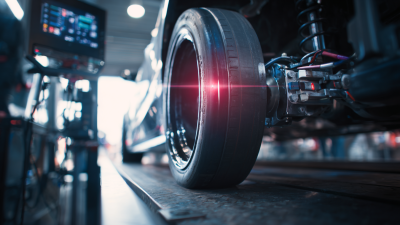
Choosing the right wheel balancing and alignment machine in 2026 is a practical decision, not a showroom contest. A machine must fit the shop’s vehicle mix, floor space, technician skills, and daily workload. A compact tire shop has different needs from a high-volume service center. Small details matter: clamp range, target setup, calibration steps, and how easily a technician can access service support.
The U.S. Tire Manufacturers Association’s 2024 shipment outlook estimated 337.4 million tire shipments in the United States that year. That figure describes tire shipments, not alignment-machine sales or repair demand. Still, it signals the scale of the tire market and the importance of reliable service equipment. NHTSA’s tire-safety guidance also emphasizes regular tire inspection and proper maintenance. Uneven wear or a vehicle pulling to one side can prompt a closer look at alignment, though neither symptom proves alignment is the only cause.
This guide compares seven machines by accuracy, usability, vehicle coverage, workflow, and ownership considerations. We also consider practical limits, including installation needs and the learning curve. Specifications can look impressive on a product page. Daily use is the real test. No machine is perfect, and published features do not guarantee consistent results in every shop. Treat the shortlist as a starting point, then verify current specifications, support terms, and compatibility with your own service mix before buying.
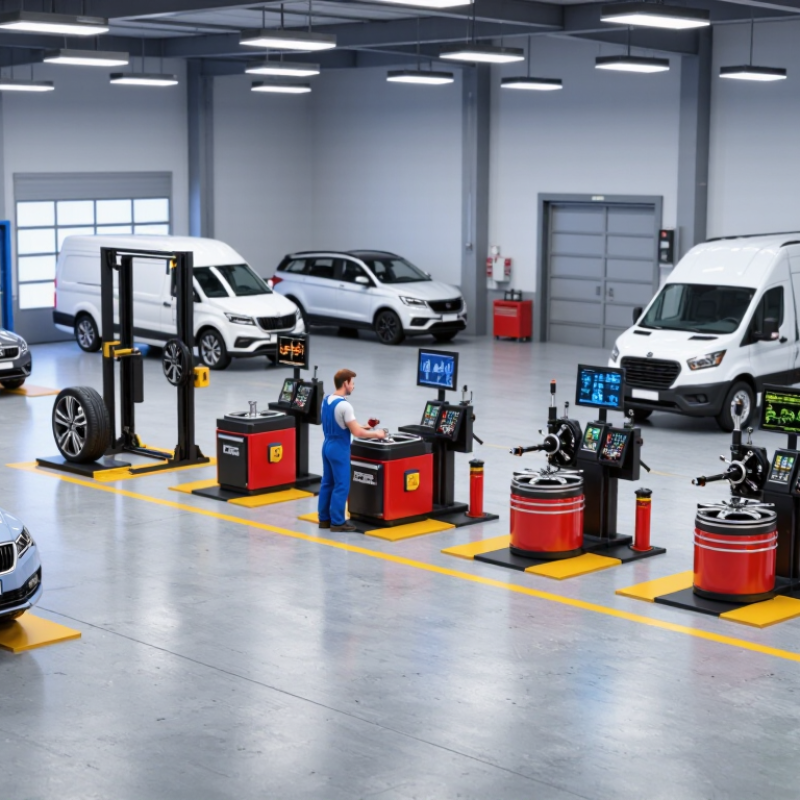
Wheel balancing and alignment machines address different causes of uneven tire wear and vibration. A balancer spins a mounted wheel and measures how its mass is distributed. Even a small imbalance can create a noticeable shake at highway speeds. The display shows where correction is needed, and the technician adds small weights to the rim. Then the wheel is spun again to check the result.
That distinction matters. Alignment equipment measures wheel angles, not weight distribution. Cameras or sensors read targets attached to the wheels, while turn plates let the wheels move during measurement. The machine compares readings such as toe, camber, and caster with the vehicle’s specifications. A technician adjusts suitable suspension points and rechecks the measurements. Some vehicles require a steering-angle sensor reset after adjustment.
Accurate readings depend on careful setup. Tire pressure should be correct, wheel targets mounted securely, and the machine calibrated. Worn joints, bent rims, or uneven tires can distort results, so measurements alone do not tell the whole story. No machine makes a damaged tire true. A practical technician checks the vehicle before trusting the screen, though rushed shops may miss something. Good equipment helps; sound judgment still matters.
When comparing wheel balancing and alignment machines in 2026, check repeatability before headline precision. A useful shop-floor test is simple: measure the same wheel twice and compare the readings. Look for clear calibration procedures, stable clamping, and compensation for rim or mounting runout. Small setup errors can create a steering complaint that returns after the vehicle leaves.
For balancers, compare supported wheel sizes, weight placement guidance, cycle time, and vibration control. A bright display helps, but clear instructions matter more when the shop is busy. For alignment systems, examine sensor accuracy, target durability, vehicle coverage, and how easily technicians can access current specifications. Camera-based systems may reduce setup time, while some shops may prefer equipment that works reliably in tighter bays.
Check the practical details. Can the machine handle a heavy wheel without awkward lifting? Are replacement parts and calibration support accessible? Software updates matter, but a large vehicle database does not guarantee accurate readings; specifications can lag. I would compare the service process, not just the feature list. A clumsy interface can erase the time saved by faster measurements. Short demonstrations help. Watch a technician clamp a wheel, compensate for runout, and produce a report before deciding.
Alignment systems may display angular measurements at different resolutions. This chart converts example degree increments to arcminutes (1° = 60 arcminutes); these are unit conversions, not specifications or rankings of particular machines.
When comparing equipment, check the actual measurement resolution listed by the manufacturer and whether it suits your workshop’s vehicle mix and workflow.
Seven leading machines for balancing and alignment are best judged by the jobs they handle, not by screen size or feature count. A computerized wheel balancer suits routine passenger-car work and gives technicians clear weight-placement readings. A road-force balancer adds a loaded-roller test to help identify vibration that ordinary balancing may miss. A compact portable balancer can support mobile service, though setup on uneven ground may affect results. Small details matter.
For alignment, a 3D imaging system uses targets and cameras to measure wheel angles quickly. A laser alignment system offers a simpler visual setup and can suit shops with steady, familiar workflows. A wireless alignment system reduces cables around the vehicle, which helps in crowded bays. A heavy-duty alignment system is built for larger vehicles and wider measurement ranges; confirm its capacity before purchase.
The right choice depends on vehicle mix, floor space, service volume, and staff training. Check calibration procedures, clamp fit, and available measurement data before comparing prices. A machine can be capable yet frustrating if daily setup is awkward. I would also leave room in the budget for maintenance and training. Not every “advanced” feature earns its place, and that is worth questioning.
CCD alignment systems suit general repair bays, but sensors need careful mounting and calibration. Camera-based 3D aligners speed measurement and reduce setup fuss; clear sightlines and adequate floor space still matter. Laser systems can help with basic checks, yet they offer less comprehensive adjustment data. Trade-offs matter.
A conventional wheel balancer handles routine imbalance after tire service, though it cannot diagnose every vibration. Road-force balancers simulate tire loading and can reveal stiffness or runout problems, but cost more and require trained interpretation. Portable balancers fit mobile work or tight shops, with compromises in repeatability and workflow. Combined alignment-and-balancing units save space, but a fault or service need can affect both functions. Each type fits a different job.
S&P Global Mobility reported that the average age of U.S. light vehicles reached 12.6 years in 2024. Older vehicles may arrive with worn suspension parts, bent rims, or uneven tire wear; a machine cannot correct those underlying faults. An alignment reading can also change after a loose joint is replaced, so inspect first and measure again. Even precise equipment depends on level floors, correct specifications, and an attentive operator. Small setup errors matter.
| Machine type | Primary function | Typical applications | Practical strengths | Limitations and checks |
|---|---|---|---|---|
| 1. Computerized wheel balancer | Measures wheel-and-tire imbalance and indicates where correction weights should be placed. Many models offer static and dynamic balancing modes. | Passenger cars, light trucks, and general tire-service work, subject to the machine’s capacity and adapters. | A versatile choice for routine balancing; digital displays and measurement programs can streamline repeat work. | It does not diagnose every source of vibration, such as tire uniformity variation, bent suspension parts, or vehicle alignment problems. Check wheel diameter, width, weight capacity, and centering-adapter compatibility. |
| 2. Road-force wheel balancer | Balances a wheel and can measure changes in tire-and-wheel assembly force as a loaded roller contacts the tire. | Vibration diagnosis, difficult repeat comebacks, and assemblies that remain uncomfortable after conventional balancing. | Adds diagnostic information about assembly uniformity and can help identify opportunities to match tire and wheel positions. | It requires correct mounting, calibration, and interpretation; a force reading alone does not prove the tire is the only cause of a vehicle vibration. Check roller and wheel-size capacity, service requirements, and operator training. |
| 3. 3D imaging wheel-alignment system | Uses cameras and targets to measure alignment geometry, typically including toe, camber, and caster where supported by the vehicle and system. | Passenger cars and light trucks in general repair, tire, and alignment shops. | Visual measurement feedback can make setup and before-and-after reporting straightforward; some systems do not require powered sensors attached to each wheel. | Needs a suitable bay layout, camera line of sight, clean targets, and a level, properly maintained lift or alignment area. Vehicle coverage and adjustment data depend on the system’s software. |
| 4. CCD sensor wheel-alignment system | Uses electronic sensor heads mounted at the wheels to measure their relative positions and calculate alignment angles. | Passenger-car and light-truck alignment work in fixed service bays. | Provides measured alignment data and can support a wide range of routine adjustments when the vehicle is covered by the database. | Sensor heads and cables need careful handling and calibration. Uneven floors, incorrect compensation procedures, or loose wheel attachments can affect results; confirm software and vehicle-data coverage. |
| 5. Portable or mobile alignment system | Provides alignment measurements using transportable sensors, targets, or cameras, depending on the system design. | Mobile service, shared workshop bays, or locations where a permanent alignment installation is impractical. | Can be moved or stored between jobs and may reduce the need to dedicate a full bay to alignment equipment. | Portability does not remove the need for a suitable, level working surface and correct setup. Check repeatability, required space, power or connectivity, and whether the system supports the vehicles you service. |
| 6. Heavy-duty truck and bus alignment system | Measures alignment on commercial vehicles, with configurations designed for larger wheels, axles, and chassis layouts. | Truck, bus, and fleet maintenance facilities; specific capabilities vary by system and vehicle configuration. | Can support multi-axle measurements and commercial-vehicle service when the system includes the required targets, adapters, and specifications. | Requires adequate bay length, floor capacity, lifting equipment, and vehicle-specific data. Passenger-car alignment equipment should not be assumed suitable for heavy vehicles. |
| 7. Motorcycle wheel balancer | Supports static or, where equipped, dynamic balancing of motorcycle wheel assemblies using appropriate shafts, cones, or adapters. | Motorcycle tire replacement and wheel-balancing work; some systems can also handle other small wheel assemblies within their limits. | A purpose-built setup can accommodate motorcycle wheels that are not suited to typical passenger-car clamping or adapters. | Balancing is not wheel alignment. Confirm axle-shaft compatibility, wheel dimensions, balancing method, and whether the system is manual or powered; alignment checks require separate procedures and equipment. |
Selection note: Machine capabilities vary by configuration. Confirm capacity, vehicle coverage, installation requirements, calibration procedures, and local service support before purchase.
Choosing a wheel balancing and alignment machine starts with the work your shop actually handles. List the vehicles you see most: compact cars, light trucks, or vehicles with larger wheels. Then check the machine’s capacity against their wheel diameter, width, and weight. A mismatch can mean awkward setups or jobs you must turn away. Not ideal.
Measure the floor space, including room to roll a vehicle onto the alignment rack and move around the balancer. Check power requirements, sensor type, and whether the system supports the wheel and suspension designs you service. Ask how often calibration is needed, how long routine checks take, and whether replacement parts and technical help are readily available. Those details matter after installation, not just during a demonstration.
A feature list can look impressive. But a clear screen and straightforward clamping method may save more time than advanced options your team rarely uses. If possible, test the controls with a typical vehicle and ask staff to repeat a balancing setup. Watch for confusing prompts or slow measurement steps. Be honest about training: a capable machine still depends on careful setup and consistent procedures. Leave space in the budget for installation, calibration, and staff practice; that allowance is easy to underestimate.