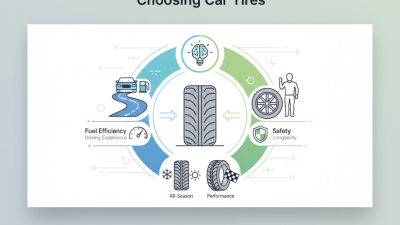
Choosing the right car tires for global sourcing requires more than comparing price, tread patterns, or supplier catalogs. Tire performance changes with climate, road quality, vehicle weight, and driving speed. A tire designed for Nordic winters may perform poorly on hot, rough roads. That mismatch can create returns, safety concerns, and damaged customer trust.
Industry data supports a careful approach. The International Energy Agency’s Global EV Outlook 2024 reported that electric car sales exceeded 17 million in 2024. Electric vehicles usually deliver higher instant torque and greater curb weight, increasing demands on tire load capacity and wear resistance. The European Tyre and Rubber Manufacturers’ Association highlights rolling resistance, wet grip, and noise as important performance factors in its technical and market publications. These criteria also appear in European tire-labeling requirements and UNECE Regulation No. 117. They offer useful benchmarks, but they do not replace local testing.
Look closely at the sidewall.
For each supplier, verify load index, speed rating, size markings, production date, certification records, and test documentation. Request samples from the same production batch. Inspect bead uniformity, tread depth, rubber consistency, and visible defects under proper lighting. Supplier audits should review compound control, curing records, traceability, and complaint handling. The U.S. Tire Manufacturers Association’s scrap-tire reporting also shows why responsible end-of-life planning matters across markets. A low purchase price can hide disposal, warranty, and logistics costs. Even experienced buyers can overtrust laboratory data. Real roads remain unpredictable. The strongest sourcing decision balances verified performance, regional conditions, compliance, total cost, and supplier accountability.
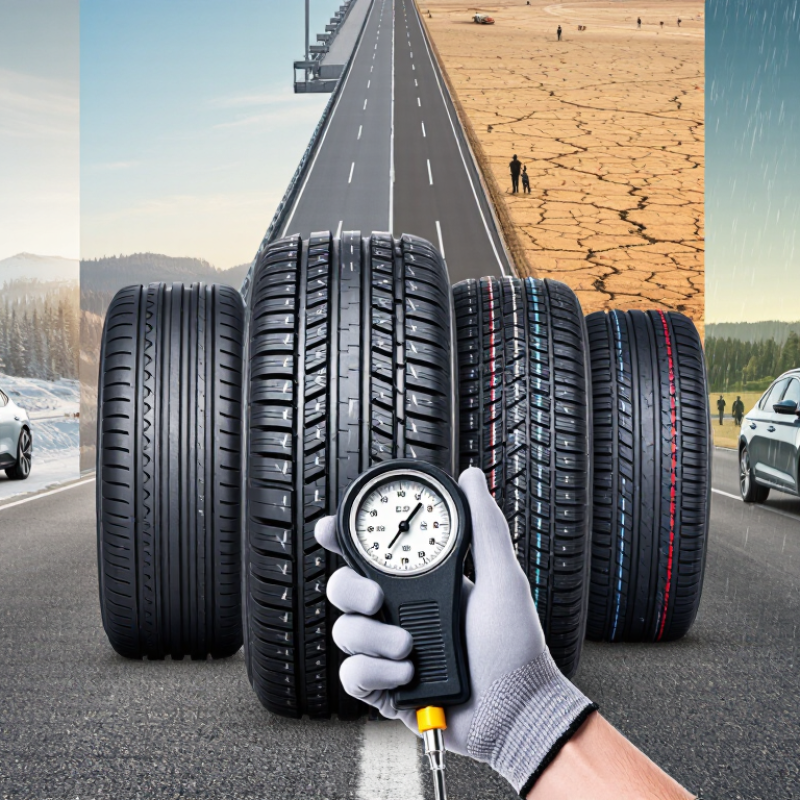
Choosing car tires for global sourcing starts with the road, not the catalog. Define where the vehicle will operate and how it will be used. A commuter in a rainy coastal city needs dependable wet braking and water evacuation. A delivery vehicle on rough gravel requires stronger sidewalls and deeper tread protection. Hot climates also demand stable performance during long highway drives.
Measure the real workload. Record average speed, annual mileage, vehicle weight, cargo patterns, and seasonal temperatures. Then match these conditions with braking distance, cornering stability, rolling resistance, noise, and tread life. Do not select tires from size alone. The same size can serve very different performance needs. My practical mistake was treating mileage as the main priority. Later, road noise and wet grip mattered more to the driver.
Tips: Request test data from qualified laboratories and review the testing conditions carefully. Compare wet braking, heat resistance, load capacity, and wear results. Ask suppliers for production consistency records, not only a single sample. Check the tire’s markings against the vehicle’s requirements and destination-market standards. Small details matter. Also, allow pilot testing on actual routes. Laboratory results are useful, but local roads can expose weaknesses that a spreadsheet misses.
Define your driving conditions and tire performance requirements before selecting a tire specification.
How to use this chart: The speed symbol indicates the maximum speed capability assigned under standardized test conditions. Select a rating that meets or exceeds the vehicle manufacturer’s requirement, then verify wet-road braking, temperature range, load capacity, tread pattern, and regional regulations for the target market.
Choosing car tires for global sourcing starts with the vehicle, not the supplier’s catalog. Read the door-jamb placard, owner’s manual, and current sidewall markings. Record the tire size, construction, load index, speed symbol, and recommended pressure. A size such as 205/55 R16 shows width, aspect ratio, construction, and rim diameter. Small errors matter. In purchasing reviews, I have seen a sheet copy the rim size correctly but miss the load index. That mistake was avoidable.
Match the load rating to the vehicle’s required axle load, including passengers, luggage, and towing demands. Never select a lower rating to reduce cost. The speed rating should meet or exceed the vehicle requirement. It does not mean drivers should reach that speed. Hot climates, long highways, and heavy cargo can expose weak choices quickly. Tire pressure also affects handling, wear, and fuel use. Follow the vehicle specification, not a random number printed elsewhere.
For global sourcing, request clear technical documents and inspect production samples before approval. Confirm dimensions, load index, speed rating, valve compatibility, and pressure-monitoring requirements. Check sidewall markings and manufacturing dates when goods arrive. Local labeling and safety requirements may differ between markets, so verify them with qualified compliance staff. A supplier’s spreadsheet can still contain a copied mistake. Recheck every line against the vehicle data.
Choosing the right car tires for global sourcing requires more than comparing prices. Start with vehicle use, road conditions, and regional climate. Summer tires offer strong dry-road control and precise steering. Winter tires use softer compounds for snow and freezing temperatures. All-season tires provide practical flexibility, but they may compromise in extreme heat or deep snow. A tire suitable for southern highways may perform poorly on icy northern roads.
Tread design also changes driving behavior. Symmetric patterns often deliver quiet, even wear for daily vehicles. Asymmetric designs can improve cornering and water evacuation. Directional treads push rain outward, which helps reduce hydroplaning on wet roads. However, they require careful mounting. Wider grooves can clear mud, while closely spaced grooves usually improve snow grip. The balance is not perfect. I once focused too heavily on tread appearance and overlooked the tire’s load rating.
Tips: Match the tire size, speed rating, and load index with the vehicle manual. Check the production date before shipment, especially for long-distance sourcing. Request test data for wet braking, rolling resistance, and noise. Review local winter requirements and import standards in each destination market. Inspect sample tires under real conditions, such as wet asphalt, gravel, and cold mornings. A laboratory result helps, but field feedback often reveals practical weaknesses. Supplier documentation should be clear, traceable, and consistent across batches.
Choosing car tires for global sourcing requires more than comparing tread patterns and prices. Standards differ by market, so confirm the required markings before requesting quotations. Check load index, speed rating, dimensions, wet-grip performance, rolling resistance, and noise limits. These details must match the vehicle and destination country.
Ask suppliers for current certificates, test reports, and factory quality records. A certificate without traceable testing deserves careful review. Verify the issuing laboratory, test date, product size, and production site. Request samples from the same production line used for bulk orders. Inspect bead construction, sidewall markings, tread depth, and packaging labels. Small discrepancies can signal weak process control.
Supplier reliability also depends on communication and corrective action. Review delivery history, inspection procedures, complaint records, and capacity during peak seasons. A useful supplier should explain nonconformities clearly, not hide them. During one sourcing project, I focused too heavily on unit cost. The cheaper supplier later changed materials without clear notice. That decision created delays and extra inspections. I still consider price important, but it should follow compliance and consistency. Audits help, yet one visit cannot prove long-term reliability. Use production samples, independent inspections, and documented approval steps. Keep these records for every shipment. Expect some uncertainty. Global sourcing is never perfectly predictable.
How to Choose the Right Car Tires for Global Sourcing?
A low factory quote is not the real price. Calculate landed cost instead. Include freight, insurance, duties, inland delivery, inspection, currency movement, and storage. The U.S. Tire Manufacturers Association forecast 334.2 million tire shipments in 2024, showing how large and competitive this market remains. Ask suppliers to separate every cost clearly. A spreadsheet can still lie.
Logistics needs evidence, not promises. UNCTAD reports that more than 80% of global merchandise trade by volume moves by sea. Confirm production lead times, sailing schedules, port options, packaging strength, and container loading plans. Request a realistic buffer for seasonal congestion. Small delays can damage customer trust. Warranty terms should define mileage, claim deadlines, inspection methods, replacement rules, and batch traceability. Photos alone are weak evidence. Require test records and written claim procedures.
Long-term supply support matters more than one successful shipment. Smithers’ 2024 global tire market study indicates replacement demand will remain the largest market segment through 2029. Check the supplier’s annual capacity, mold ownership, raw-material planning, quality audits, and backup production sites. Review supply performance quarterly. I would also request samples from different production batches. They may vary slightly. That is worth discussing, not hiding. A strong sourcing agreement should include forecast sharing, change notification, reasonable minimum order quantities, and a practical continuity plan.
Indicative sourcing benchmark for international buyers. Use the figures below to compare specifications, landed-cost assumptions, delivery planning, warranty coverage, and continuity of supply before requesting a formal quotation.
| Tire Segment | Reference Size | Typical Load / Speed Rating | Recommended Application | Indicative FOB Price per Tire (USD) |
Typical MOQ | Production Lead Time | 40-Foot High-Cube Shipping Guidance | Warranty and Quality Checkpoints | Long-Term Supply Support |
|---|---|---|---|---|---|---|---|---|---|
| Compact Passenger Touring | 185/65R15 | 88H Load index 88; speed rating H, up to 210 km/h |
Compact cars, fleet vehicles, urban commuting, and moderate annual mileage. | US$38–58 | 500–1,000 tires per size | 30–45 days after approval of specifications and deposit. | Approximately 1,050–1,250 tires when efficiently loaded. Confirm final quantity with the packing method and container payload limit. | Request production-date control, uniformity test records, random sampling, and a written defect-claim process. Common commercial warranty structures cover manufacturing defects for 4–5 years, subject to local terms. | Suitable for high-volume programs. Confirm monthly capacity, raw-material allocation, replacement policy, and the ability to maintain the same casing and tread specification. |
| Mid-Size Passenger Touring | 205/55R16 | 91V Load index 91; speed rating V, up to 240 km/h |
Popular mid-size passenger cars requiring balanced wet grip, comfort, rolling resistance, and tread life. | US$42–68 | 500–1,000 tires per size | 30–50 days, depending on compound, sidewall design, and testing requirements. | Approximately 900–1,100 tires per 40-foot high-cube container. Use the supplier's actual loading plan for landed-cost calculations. | Verify wet-grip and rolling-resistance markings required by the destination market. Require lot traceability, ECE or other applicable conformity documents, and a documented warranty response time. | Ask for a 12-month demand forecast, quarterly capacity confirmation, tooling ownership terms, and written notice before compound, mold, or construction changes. |
| Performance Passenger Tire | 225/45R17 | 94W XL Extra-load construction; speed rating W, up to 270 km/h |
Sport sedans and higher-performance passenger vehicles requiring stronger sidewalls and responsive handling. | US$55–88 | 300–800 tires per size | 35–55 days, including additional validation for XL construction and high-speed performance. | Approximately 750–950 tires per 40-foot high-cube container. Ensure that the extra-load construction is clearly identified on the purchase order. | Confirm maximum load, inflation pressure, bead and sidewall inspection, high-speed test requirements, and allowable balance or radial-force limits. Warranty exclusions for misuse should be clearly stated. | Best sourced with a rolling forecast and safety stock. Establish a technical contact for field complaints and require change-control approval for tread or compound revisions. |
| SUV and Crossover Touring | 235/60R18 | 103H Load index 103; speed rating H, up to 210 km/h |
Crossovers and light SUVs used for mixed urban, highway, and occasional rough-road driving. | US$68–105 | 300–600 tires per size | 35–60 days, with longer timing for new molds or vehicle-specific approvals. | Approximately 650–850 tires per 40-foot high-cube container. Check axle-load requirements and whether the destination requires XL or reinforced construction. | Verify wet braking, noise, uniformity, sidewall strength, and load performance. Request batch records and a warranty process that defines inspection, credit, replacement, and freight responsibility. | Secure at least two approved sizes or equivalent replacement options. Review quarterly fill rate, forecast accuracy, safety-stock policy, and contingency plans for port or raw-material disruption. |
| Light Truck and Pickup Highway | 265/70R17 | 115T Load index 115; speed rating T, up to 190 km/h |
Pickups, utility vehicles, commercial fleets, and higher-load highway applications. | US$82–125 | 200–500 tires per size | 40–65 days, especially when reinforced construction or fleet testing is required. | Approximately 500–700 tires per 40-foot high-cube container. Confirm actual tire weight because container payload can become the limiting factor. | Confirm maximum single and dual-axle loads, pressure tables, casing inspection, sidewall resistance, and service-description markings. Fleet buyers should require a documented adjustment process for early failures. | Use a supply agreement with reserved monthly capacity, agreed replacement sizes, emergency allocation rules, and periodic casing-performance reviews. |
| All-Terrain SUV and Pickup | 265/65R17 | 112T or 112S Load index 112; speed rating depends on tread and construction |
Mixed on-road and gravel-road use, light off-road driving, utility fleets, and recreational vehicles. | US$88–135 | 200–500 tires per size | 45–70 days because tread design, stone-ejector features, and testing can require additional approval. | Approximately 520–700 tires per 40-foot high-cube container. Confirm tread orientation, sidewall markings, and packaging requirements before booking freight. | Check traction classification, cut and chip resistance, tread-depth consistency, noise performance, and sidewall inspection. Warranty should distinguish manufacturing defects from puncture, impact, and off-road damage. | Request a seasonal production plan, spare-mold availability, field-failure feedback process, and a replacement-size roadmap to avoid sudden discontinuation. |
| Low-Rolling-Resistance EV Passenger Tire | 235/50R19 XL | 103T XL or 103W XL Extra-load construction; exact rating depends on vehicle requirements |
Electric passenger vehicles requiring load capacity, low rolling resistance, noise control, and suitable wear performance. | US$95–155 | 200–500 tires per size | 45–75 days, including acoustic, load, rolling-resistance, and vehicle-fit validation. | Approximately 600–780 tires per 40-foot high-cube container. Confirm tire mass, noise-reduction features, and the vehicle maker's load and speed requirements. | Verify rolling-resistance data, wet-grip performance, external noise, XL load capability, bead seating, and uniformity. Avoid assuming that a standard passenger-tire warranty covers EV-specific wear or fitment issues. | Require documented compound stability, supply allocation for fast-growing sizes, technical support for vehicle fitment, and advance notice of any efficiency or noise-performance change. |
| Temporary Spare Tire | T125/70D16 | 96M Temporary-use spare; maximum speed commonly limited to 80 km/h |
Emergency replacement use where vehicle packaging requires a compact spare assembly. | US$35–65 | 300–800 tires per size | 30–50 days, subject to mold availability and assembly requirements. | Approximately 1,100–1,400 tires per 40-foot high-cube container, depending on packaging and wheel assembly configuration. | Confirm temporary-use labeling, inflation pressure, storage-age limits, bead integrity, and compatibility with the intended wheel. The product must not be marketed as a normal-use replacement tire. | Maintain strict production-date rotation and inventory controls. Agree on minimum remaining shelf life at shipment and replacement terms for aged or damaged stock. |