How to Choose the Best Tires for Your Car in 2026?

Choosing the best tires for your car in 2026 is not about picking the newest model or the boldest tread. It starts with your vehicle’s requirements and the roads you actually drive. Check the size, load index, and speed rating listed in your owner’s manual or on the driver-side door placard. Then consider your climate, typical mileage, and budget. Small details matter. A quiet commute, wet city streets, and frequent gravel roads call for different strengths.

Retired tire engineer Roger Marble has written extensively about tire safety and selection. In paraphrase, his practical advice is: “Match the tire to the vehicle’s needs, load, and real driving conditions—not appearance alone.” That is a useful principle for any tire auto shopper. A performance tire may feel precise on dry pavement, yet offer less winter grip than a dedicated winter tire. An all-season tire can suit many drivers, but its performance still depends on the specific model and conditions.

This guide will help you compare tire categories, read specifications, and assess tread-life and wet-braking claims. Look for independent test results when available, and check the test conditions before relying on a ranking. Ask a qualified tire professional to confirm fitment if your vehicle has modified wheels or unusual requirements. No tire is perfect. The right choice balances safety, comfort, durability, and cost for your own routine. A little doubt is healthy; marketing labels do not replace evidence.
How to Choose the Best Tires for Your Car in 2026?

Assess Your Vehicle’s Tire Requirements and Driving Habits

How to Choose the Best Tires for Your Car in 2026?

Start with the tire size, load index, and speed rating listed on your vehicle’s door placard or in its owner’s manual. These specifications reflect the car’s design and expected load; a tire that fits the wheel may still be unsuitable. Then consider your routine: short city trips, long highway drives, frequent rain, winter conditions, or carrying heavy cargo. Match the tread and seasonal rating to the roads you actually use. It is tempting to choose by appearance. That is a weak shortcut.

Tips: Check tire pressure monthly when tires are cold, as NHTSA recommends. Use the placard’s pressure, not the maximum printed on the tire sidewall. The U.S. Department of Energy’s FuelEconomy.gov reports that properly inflated tires can improve fuel economy by up to 3%. Small details matter.

Also consider road noise, ride comfort, and replacement cost. A quiet touring tire may suit a daily commute, while a winter-rated tire can provide better cold-weather traction. Don’t assume one set is ideal for every season. Your needs may change if your commute or climate changes, so reassess them before buying. I would not guess at fitment: verify the specifications and ask a qualified tire professional when your manual is unclear.
Understand Tire Types, Sizes, and Ratings

How to Choose the Best Tires for Your Car in 2026?
Understand Tire Types, Sizes, and Ratings

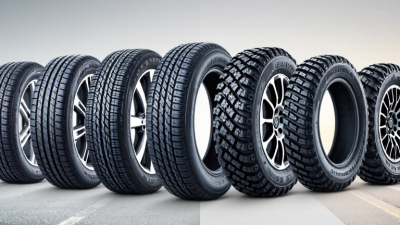
Choosing tires starts with the conditions you drive in, not just the season. All-season tires suit many mild climates, while winter tires provide better grip on cold, snowy roads. Summer tires can offer responsive handling in warm weather, but they are not designed for icy conditions. Consider your usual routes, local climate, and how much road noise or ride comfort matters to you. No tire is perfect for every trip.

Check the size printed on your current tire’s sidewall and compare it with your vehicle’s owner’s manual or door-jamb label. A marking such as 225/60R17 identifies width, aspect ratio, construction, and wheel diameter. Match the required size unless a qualified tire professional confirms another fit. Also check load and speed ratings; these indicate the tire’s capacity and tested speed category. They should meet your vehicle’s requirements. Ratings can be easy to overlook, and a familiar size alone is not enough.

Tips: Check tire pressure when the tires are cold, using the vehicle’s recommended pressure rather than the sidewall maximum. Inspect tread and sidewalls for uneven wear, cracks, or damage. Ratings and labels can be confusing, so verify details with your manual or a qualified technician before buying. Even careful research has limits: road feel is personal, and online descriptions cannot fully predict it.

How to Choose the Best Tires for Your Car in 2026?

Understand tire types, sizes, and ratings

Reading tire sizes: In a size such as 205/55R16, 205 is the nominal section width in millimeters, 55 is the aspect ratio, and 16 is the rim diameter in inches. The chart shows calculated nominal sidewall height and overall diameter. Actual dimensions can vary by tire model and measuring rim, so check your vehicle placard or owner’s manual before choosing a replacement.

Match Tire Performance to Your Climate and Road Conditions

Climate should guide your tire choice as much as your car’s size. In warm regions, touring or summer tires can offer responsive handling on hot, dry roads. If winter brings sustained cold, snow, or ice, dedicated winter tires provide a more suitable tread compound and pattern. In a 2018 test, AAA found winter tires stopped 33% shorter than all-season tires on snow-covered roads. Conditions matter. A mild winter may not justify the same setup as a steep, icy commute.

Road surfaces matter, too. Frequent rain calls for tires with effective water-clearing grooves, while gravel roads demand durable construction and dependable grip. Check tread and pressure regularly; worn tread can struggle to channel water. NHTSA’s TireWise guidance notes that pressure can drop about 1 psi for every 10°F fall in temperature. That change is easy to miss during a cold snap. A tire’s performance label helps, but it cannot predict every pothole or flooded street.

Tips: Check pressure monthly, when tires are cold, and follow the vehicle placard—not the maximum printed on the sidewall. Look for uneven wear, then ask a qualified tire professional to inspect alignment if one shoulder is wearing faster. Compare your usual routes, not just the forecast. I’d reconsider the choice after a season; driving habits and road conditions can surprise you.

Compare Safety, Durability, Efficiency, and Cost

Choosing tires means balancing safety, durability, efficiency, and cost—not chasing one impressive number. Start with the size and load rating listed in your car’s manual or door-jamb label. Then consider the roads you actually drive. Frequent rain makes wet-grip performance important, while snow and cold temperatures may call for tires designed for those conditions. Check independent test results when available, especially wet braking and handling. A few extra feet can matter. Tread patterns and rubber compounds affect grip, but the right choice also depends on your vehicle and local climate.

Durability is not just a mileage promise. Driving habits, road surfaces, tire pressure, and alignment all influence wear. Look for clear warranty terms, and inspect tread regularly rather than assuming a tire will last its full advertised life. Efficiency matters, too: some tires reduce rolling resistance and may help fuel economy, though the difference varies by vehicle and route. Compare the purchase price with expected lifespan, fuel use, and installation costs. A cheaper set may cost more over time. I can be tempted to focus on the lowest price, but that shortcut misses safety and upkeep. Real-world conditions are messy, and no tire wins every category. Choose the trade-off that fits your daily routes, budget, and seasonal needs.

How to Choose the Best Tires for Your Car in 2026? - Compare Safety, Durability, Efficiency, and Cost
Tire Type Safety and Grip Typical Service-Life Planning Range Fuel Efficiency Typical U.S. Retail Cost per Tire Best Suited For
All-Season Touring Balanced dry and wet-road grip; adequate for light snow, but not a substitute for winter tires in severe conditions. About 60,000–80,000 miles Generally good; touring designs often prioritize low rolling resistance and comfort. $90–$200 Daily driving, commuting, and mild climates with occasional light snow.
Grand Touring All-Season Good everyday dry and wet-road control, with a more comfort-oriented balance than performance-focused tires; limited in deep snow and ice. About 50,000–75,000 miles Generally good to moderate, depending on tire size and design. $120–$260 Drivers seeking a quieter, comfortable ride for regular highway and city use.
All-Weather Designed for year-round use with stronger cold-weather and snow capability than conventional all-season tires. Look for the Three-Peak Mountain Snowflake (3PMSF) symbol. About 40,000–65,000 miles Usually moderate; the more winter-focused tread can increase rolling resistance. $130–$280 Drivers who face regular winter conditions but prefer one tire set year-round.
Summer Performance Strong warm-weather dry and wet grip; not designed for snow or freezing conditions. Cold can reduce compound flexibility and traction. About 20,000–40,000 miles Often moderate to low compared with touring tires. $140–$350 Warm climates and drivers who prioritize responsive handling over long tread life.
Winter Specialized cold-weather tread and compounds provide better traction in snow and cold conditions. Ice performance varies by tire design. About 25,000–45,000 miles when used seasonally Often lower than touring tires; using winter tires in warm weather can accelerate wear. $110–$300 Areas with frequent snow, ice, or prolonged temperatures near or below freezing.
All-Terrain More capable on gravel and rough surfaces than highway-focused tires; paved-road wet grip and snow performance vary by tread design. About 35,000–60,000 miles Often lower because of heavier construction and more aggressive tread. $150–$400 Pickups and SUVs used on a mix of paved roads, gravel, and moderate off-road routes.

How to use these estimates: Prices are broad U.S. retail estimates per tire, excluding installation, taxes, and disposal fees; actual prices vary by vehicle size, region, and tire specifications. Service life is not guaranteed and depends on driving habits, climate, inflation pressure, alignment, rotation, and maintenance. Always check the vehicle owner’s manual for the required tire size, load rating, and speed rating.

Verify Fitment and Plan for Tire Care and Replacement

Before ordering tires, verify the full size, load index, and speed rating on the driver-door placard or in the owner’s manual. The tire sidewall shows a maximum pressure, not the recommended pressure for your car. Fit matters. If you change wheel size or drive through deep snow, ask a qualified tire technician to check clearance and vehicle requirements. A tire that mounts successfully may still handle poorly if its specifications do not match.

Check pressure monthly, when the tires are cold, and inspect for cuts, bulges, or uneven wear. NHTSA recommends regular pressure checks and following the vehicle manufacturer’s pressure guidance. The U.S. Tire Manufacturers Association’s tire-care guidance recommends rotation about every 5,000 to 8,000 miles, subject to the vehicle manual. Small details are easy to miss. I would not rely on a dashboard warning alone; it may alert you only after pressure has dropped substantially.

Measure tread across several grooves, not just at the center. USTMA identifies 2/32 inch of remaining tread as the replacement point; wet roads can make worn tires feel unsettled sooner. Replace damaged tires promptly, and have uneven wear checked for alignment or suspension problems. Note the date and mileage after each service. It is a simple habit, though one I admit is easy to forget.