What Are the Top Types of Automobile Tires?
Choosing among automobile tires is not a styling decision; it affects braking, comfort, noise, and control. The choice becomes harder because roads, climates, vehicle weights, and driving habits vary sharply. The U.S. Tire Manufacturers Association projected approximately 334 million tire shipments in the United States during 2024. That volume reflects a complex replacement market, not one universal tire solution.
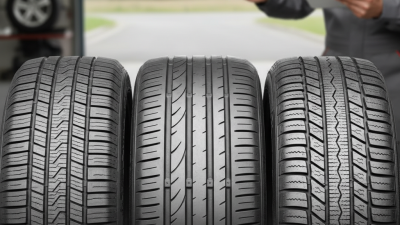
This guide examines the main categories, including all-season, summer, winter, touring, performance, all-terrain, mud-terrain, run-flat, and electric-vehicle tires. Each design uses different tread patterns, rubber compounds, sidewalls, and load ratings. Summer tires can offer precise cornering on warm pavement. Winter tires remain flexible in freezing conditions and improve traction on snow. All-season tires provide practical compromise, but compromise has limits. They are not ideal for every climate.
The National Highway Traffic Safety Administration’s TireWise guidance emphasizes correct inflation, tire condition, load capacity, and regular inspection. Those details matter more than a dramatic tread photograph. A tire may look healthy while carrying uneven wear, a hidden puncture, or an incorrect pressure. Industry testing from organizations such as Consumer Reports and J.D. Power also shows that performance depends on the vehicle and driver, not merely the brand name. No category is perfect. Even expert recommendations require reflection because mileage claims, road surfaces, and weather can differ. Understanding these tire types makes comparison more practical, safer, and less dependent on advertising language.
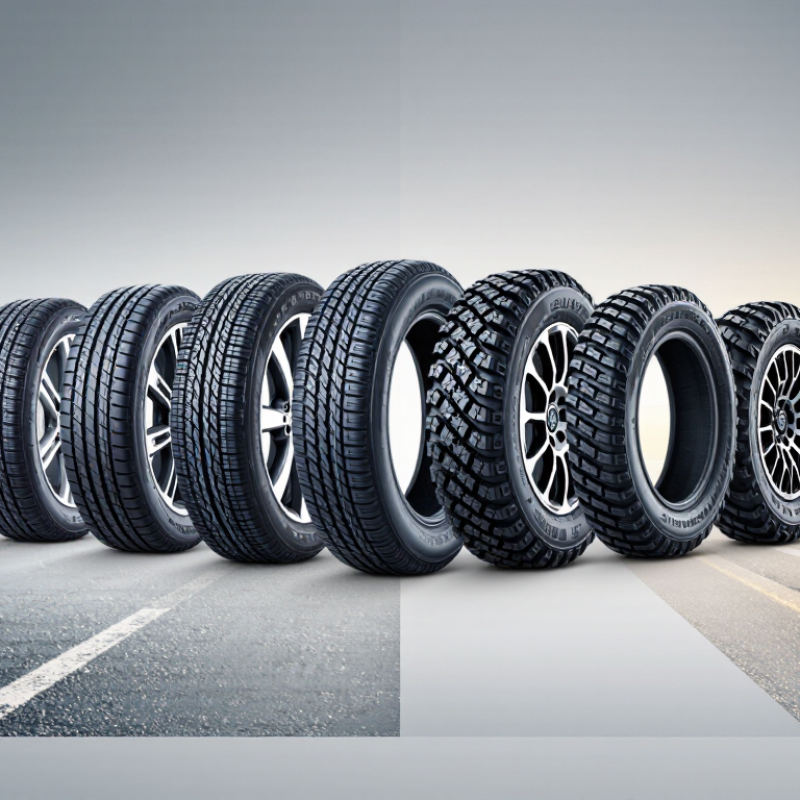
Table of Contents
[Hide]
Main Categories of Automobile Tires
Automobile tires fall into several main categories, each balancing grip, comfort, durability, and weather control. All-season tires suit moderate climates and mixed daily driving. Their tread channels handle light rain, but they cannot replace dedicated winter tires. Summer tires use specialized rubber for warm conditions. On dry pavement, they can provide sharper steering and shorter braking distances.
Winter tires remain flexible in freezing temperatures. Their deeper grooves and biting edges improve traction on snow and packed ice. They also require seasonal changes or careful storage. Driving them through hot months can accelerate wear. That detail is easy to overlook. Touring tires prioritize quiet rides, stable highway handling, and long tread life. They are practical for commuters, although their steering response may feel less immediate.
Performance tires emphasize cornering and braking, but they often sacrifice comfort and tread longevity. All-terrain tires combine road manners with extra traction on gravel, grass, and light mud. Mud-terrain tires offer stronger off-road grip, yet they can be noisy on highways. Run-flat tires may support limited travel after air loss, depending on the vehicle and driving conditions. Before choosing, compare the vehicle placard, owner’s manual, load rating, speed rating, and local climate. Check the sidewall. A worn tread, uneven shoulder, or repeated pressure loss deserves professional inspection. I would not choose a tire category by appearance alone; my first assumption could easily be wrong.
What Are the Top Types of Automobile Tires? - Main Categories of Automobile Tires
| Tire Category | Main Design Features | Typical Use | Key Advantages | Main Limitations | Important Considerations |
|---|---|---|---|---|---|
| All-Season Tires | Balanced tread pattern and rubber compound designed for a broad range of temperatures and road conditions. | Everyday driving in areas with mild weather and occasional rain or light snow. | Versatile performance, generally comfortable operation, and no seasonal tire change in moderate climates. | Not optimized for severe winter conditions or maximum warm-weather handling. | Check whether the tire carries the Three-Peak Mountain Snowflake symbol when winter traction is required. |
| Summer Tires | Specialized warm-weather compound and tread design with relatively large contact areas and limited siping. | Dry and wet-road driving in warm conditions. | Strong dry-road grip, precise steering response, and effective wet-road braking in suitable temperatures. | Reduced traction in freezing temperatures, snow, and ice; may require seasonal replacement. | Avoid using them as a substitute for winter tires where snow and ice are common. |
| Winter Tires | Flexible cold-weather compound, deeper grooves, and numerous biting edges formed by sipes. | Snowy, icy, and consistently cold conditions. | Improved cold-weather flexibility, snow traction, and braking performance compared with non-winter designs. | Faster wear and less precise handling in warm weather; requires seasonal storage or changeover. | Use a complete set of four matching winter tires and follow local seasonal regulations. |
| Performance Tires | Tread and sidewall construction focused on steering precision, cornering stability, and high-speed control. | Sport-oriented road driving and vehicles requiring sharper handling. | Responsive steering, strong cornering grip, and improved handling feedback. | Often higher cost, greater road noise, firmer ride, and potentially shorter tread life. | Select the correct speed rating and load index for the vehicle and intended driving conditions. |
| Touring Tires | Tread patterns and construction tuned for quiet operation, ride comfort, stability, and long-distance use. | Daily commuting, highway travel, and family vehicles. | Comfortable ride, reduced noise, stable highway performance, and balanced tread durability. | Less focused on extreme cornering or severe off-road traction. | Compare wet-grip, treadwear, comfort, and fuel-efficiency characteristics before purchase. |
| Grand-Touring Tires | A comfort-oriented design with higher-speed stability and enhanced wet-road performance. | Long highway trips and premium passenger vehicles. | Good balance of comfort, quietness, stability, and all-around road performance. | Usually more expensive and less suitable for demanding off-road or track use. | Verify compatibility with the vehicle’s original equipment size and recommended specifications. |
| All-Terrain Tires | More open tread blocks, reinforced construction, and stronger sidewalls than typical highway tires. | Mixed driving on paved roads, gravel, mud, sand, and light trails. | Greater versatility and traction on uneven or loose surfaces. | Typically noisier, less fuel-efficient, and less responsive on pavement than road-focused tires. | Choose a model with an appropriate severe-snow rating if regular winter driving is expected. |
| Mud-Terrain Tires | Aggressive, widely spaced tread blocks and reinforced sidewalls designed to clear mud and resist damage. | Deep mud, rocky trails, and demanding off-road conditions. | Strong off-road traction, self-cleaning tread action, and improved resistance to punctures. | More road noise, reduced wet-pavement efficiency, heavier weight, and faster wear on asphalt. | Best suited to vehicles that regularly operate off-road rather than primarily on highways. |
| Run-Flat Tires | Reinforced sidewalls or internal support systems that allow limited driving after a complete or significant air-pressure loss. | Vehicles designed and equipped for run-flat systems. | Temporary mobility after a puncture and reduced need for roadside tire changes. | Limited travel distance and speed after pressure loss, firmer ride, and higher replacement cost. | Requires a functioning tire-pressure monitoring system; follow the manufacturer’s emergency driving limits. |
Note: Tire performance depends on size, tread design, speed rating, load index, inflation pressure, vehicle setup, road conditions, and driving habits.