What are the top tire and auto products in 2026? The answer is likely to include dependable all-weather tires, EV-ready models, portable inflators, advanced diagnostic scanners, and battery-care tools. Yet the right choice depends on the vehicle, climate, and daily use. There is no universal winner.
The market context is clear. S&P Global Mobility reported that the average age of U.S. light vehicles reached 12.8 years in 2025. Older vehicles can mean more demand for replacement tires, maintenance equipment, and practical repair products. The Auto Care Association’s 2025 Factbook put U.S. automotive aftermarket sales at about $413.7 billion in 2024, showing the scale of the sector. These figures do not predict which product will suit every driver. They do show why durability and value deserve close attention.
Tires remain a safety-critical starting point. Michelin CEO Florent Menegaux has described a tire as “the only point of contact between a vehicle and the road.” That engineering reality matters even more as heavier electric vehicles place different demands on tires. Product claims still need scrutiny. A long tread-life promise, for example, may not mean the same performance on every vehicle or road surface. This guide compares leading tire and auto products for 2026 using practical features, credible industry information, and real-world fit. Some picks may be less exciting than the marketing suggests. That is worth considering.
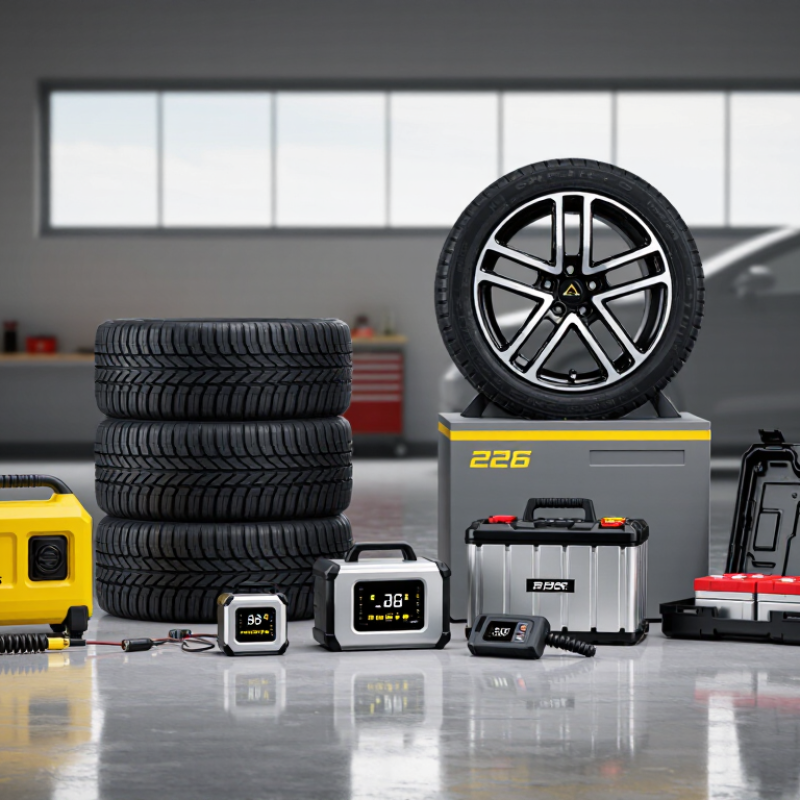
In 2026, tire and automotive products span more than new vehicles: they include replacement tires, maintenance parts, safety electronics, and diagnostic equipment. Tire choices range from all-season and winter designs to touring tires and models developed for heavier electric vehicles. Tread depth, load rating, climate, and driving habits matter more than a catchy product label. Fit still matters. S&P Global Mobility reported that the average age of U.S. light vehicles reached 12.6 years in 2024. That aging fleet supports continued demand for practical replacement items, including brake components, filters, batteries, wiper blades, and suspension parts.
Electrification is also reshaping the product mix. The International Energy Agency’s Global EV Outlook 2024 projected more than 17 million electric-car sales worldwide that year, or over one in five new cars sold. This helps explain growing interest in charging equipment, battery-service tools, tire-pressure sensors, and tires suited to higher vehicle weight and instant torque. Not every electric car needs a special tire, though; road noise, range, cost, and local conditions should guide the choice. Workshops also rely on scan tools and calibration equipment for increasingly complex driver-assistance systems. These systems can be useful, but a sensor may still need careful recalibration after glass or body repairs.
Good evaluations begin with measurable performance, not glossy claims. For tires, reviewers compare wet and dry braking, handling, ride comfort, road noise, tread life, and rolling resistance. The National Highway Traffic Safety Administration’s UTQG system rates treadwear, traction, and temperature resistance. These ratings help with comparisons, but treadwear grades are not guaranteed mileage. USTMA projected 337.4 million U.S. tire shipments in 2024, showing how many products drivers may need to assess. Volume alone proves nothing about quality.
Auto products need checks for vehicle fit, installation, durability, and performance in realistic conditions. A tool should work reliably in a cold garage, not just in a test lab. Reviewers should record test conditions and repeat important measurements. One limitation remains: controlled tests cannot fully recreate years of varied roads and weather. That deserves more attention than it often gets.
In 2026, tire choice still depends on climate, road surface, and driving habits. The U.S. Tire Manufacturers Association’s 2024 forecast estimated 338.9 million U.S. tire shipments, reflecting a large replacement and new-vehicle market. That figure does not tell drivers which tread suits their commute. Fit matters more than popularity.
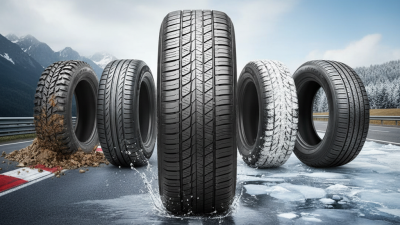
All-season tires suit mild climates and mixed everyday driving, with tread patterns designed for wet roads and light snow. All-weather tires add winter-oriented tread and certification for severe snow, making them a practical year-round option where winters are unpredictable. Dedicated winter tires use softer cold-weather rubber and deeper grooves for snow and ice. AAA’s cold-weather tire research cautions that all-season tires do not perform like winter tires in severe winter conditions. A useful distinction.
Touring tires generally prioritize a quieter ride and steady wear, while performance tires emphasize steering response and grip, often at the cost of tread life. For electric and fuel-efficient vehicles, low-rolling-resistance designs can help: the U.S. Department of Energy reports typical fuel-economy gains of about 1–2 percent. The trade-off may include different ride or grip characteristics. Check the vehicle’s required size and load rating, then compare wet-grip and noise information on the tire label. Labels help, but they cannot recreate your rough, rainy commute.
Tire and auto products are most useful when they solve everyday problems before they become urgent. A reliable tire-pressure gauge can reveal a slow pressure loss that is hard to spot by eye. Check tires when they are cold, and use the pressure listed on the vehicle placard, not the number molded into the tire. Small checks matter. A tread-depth gauge also helps track wear, while a flashlight makes sidewall cuts and uneven tread easier to inspect.
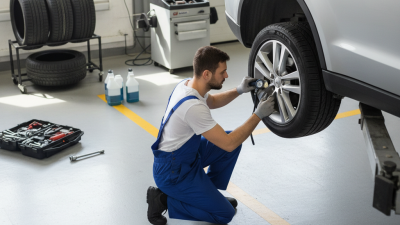
A portable air compressor can restore pressure during a gradual loss, but it cannot repair a damaged tire. Keep a properly rated jack, wheel chocks, and the vehicle’s instructions together; changing a wheel on soft or sloped ground is unsafe. A torque wrench can help tighten wheel nuts to the specified setting. The details matter. Recheck the manual if the correct setting is unclear.
Other practical products support visibility and basic upkeep. Fresh wiper blades, washer fluid suited to local weather, and a small pressure gauge take little storage space. A battery jump starter may help with a weak battery, but follow its instructions and inspect the cables for damage. I sometimes overlook simple supplies until the weather turns. That is a useful reminder: products only help when they are in working order, easy to reach, and appropriate for the vehicle.
Choose tires and auto products by vehicle, load, and route, not tread appearance alone. A compact car used for city commutes benefits from low-rolling-resistance tires and dependable wiper blades. An SUV or pickup carrying tools needs tires with the correct load rating; a soft ride alone is not enough. Electric vehicles also need tires rated for their weight and torque. Quietness and range matter, but durability can suffer if the tire is poorly matched. Easy to miss.
For frequent rain, prioritize wet braking and tread drainage. Drivers facing regular snow should look for winter-rated tires, while occasional gravel roads call for tougher sidewalls. The U.S. Department of Energy’s FuelEconomy.gov guidance says proper tire inflation can improve gas mileage by up to 3%. Its data also estimates a 0.2% mileage loss for each 1 psi drop across all four tires. NHTSA tire-safety guidance notes that pressure falls about 1 psi for every 10°F temperature drop. Check pressure monthly, using the vehicle placard—not the maximum printed on the tire. For batteries, choose the size and capacity specified for the vehicle and local climate. I would not buy the most expensive option by default; sometimes the better choice is simply the one that fits the actual commute.
How to read this chart: Ratings are a qualitative guide, not laboratory test scores: 0 = poor fit, 1 = limited fit, 2 = suitable, and 3 = best fit. All-weather tires marked with the Three-Peak Mountain Snowflake symbol are designed for more severe snow conditions than standard all-season tires. For winter ice or frequent deep snow, dedicated winter tires are generally the more appropriate choice. Always check your vehicle manual, tire size, load rating, and local conditions.
Useful complementary products include a calibrated tire-pressure gauge, a portable inflator, and—if your vehicle requires them—compatible TPMS sensors. Check tire pressure when tires are cold and follow the vehicle placard rather than relying on the pressure printed on the tire sidewall.