
7 Tips to Find the Closest Tire Shop Near You?
When a tire issue appears unexpectedly, finding the closest tire shop can feel urgent and confusing. A flat tire, slow leak, or damaged valve may leave you parked beside a busy road. In that moment, distance matters, but it should not be your only concern. A nearby shop with skilled technicians, clear pricing, and suitable equipment can protect your time and safety.
This guide shares seven practical tips for locating a reliable tire shop near you. You will learn how to compare map results, check opening hours, confirm tire availability, and read customer feedback carefully. Look for details such as mobile tire service, alignment equipment, warranty policies, and emergency support. A shop five minutes away may not handle your tire size or vehicle type. That small detail can waste an entire afternoon.
Stay alert.
Real experience often teaches what search results hide. A business may have excellent ratings but limited parking or slow service during peak hours. Reviews can also be outdated, incomplete, or overly emotional. Therefore, contact the shop directly before driving there, especially if your vehicle has a specialty tire or visible wheel damage. These simple checks help you choose confidently without ignoring professional advice. Tires affect braking, handling, and fuel efficiency, so convenience should never replace competent inspection. Even careful drivers make rushed decisions. A thoughtful search can prevent an expensive mistake and get you safely back on the road.
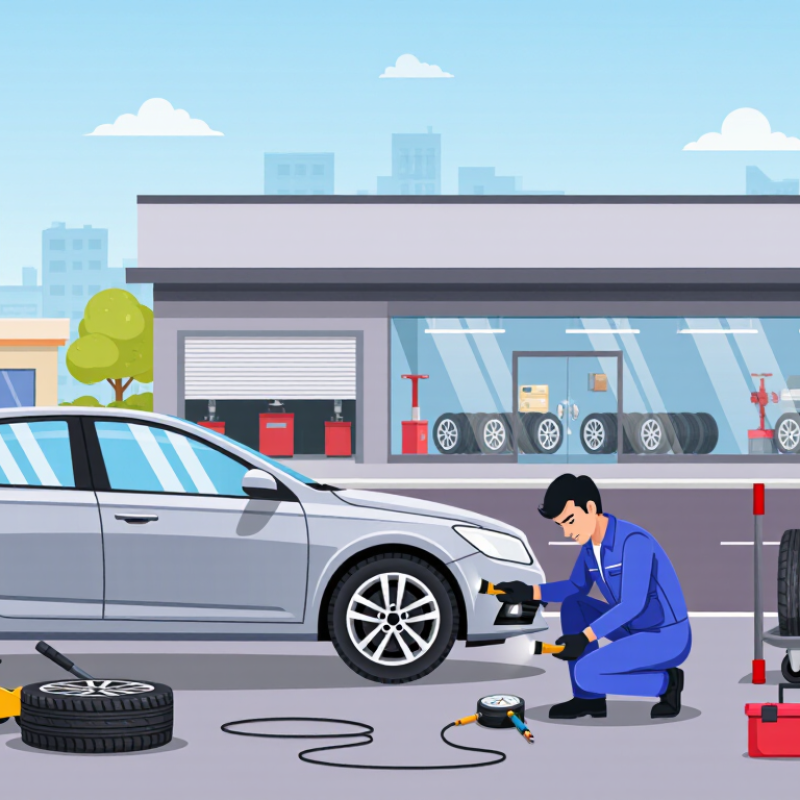
Table of Contents
[Hide]
Define Your Tire Service Needs and Driving Requirements
7 Tips to Find the Closest Tire Shop Near You?
Define Your Tire Service Needs and Driving Requirements
Before searching for the nearest tire shop, identify the exact problem. A slow leak needs a pressure and puncture inspection. Uneven tread may indicate poor alignment or worn suspension parts. Sidewall cuts require immediate professional evaluation. Take a close look at each tire, including the inner edge, where damage is easy to miss.
Your driving habits also shape the right service. City drivers may prioritize quiet handling and wet-road traction. Frequent highway users need stable performance, correct load ratings, and reliable tread depth. Drivers in snowy regions may need seasonal tires and proper storage. Check the vehicle manual for approved tire sizes, speed ratings, and pressure settings. Do not rely only on the number printed on the tire.
I once chose a shop based only on distance. The quick visit became expensive because the original vibration was not properly diagnosed. That mistake changed how I compare service providers. Ask whether technicians inspect balancing, alignment, valve stems, and tire-pressure sensors. Request a written explanation of needed work. A dependable shop should explain repair limits clearly, measure tread depth, and discuss safety without pressuring you. Bring photos of unusual wear if you cannot visit immediately. Small details matter, although I sometimes overlook them when I am in a hurry.
7 Tips to Find the Closest Tire Shop Near You? - Define Your Tire Service Needs and Driving Requirements
| Tip | Tire Service Need | Driving Requirement | Recommended Search Criteria | Practical Distance | Questions to Ask Before Visiting | Priority |
|---|---|---|---|---|---|---|
| 1 | Flat tire, puncture, or visible sidewall damage | The vehicle is unsafe to drive or is stopped on the roadside | Search for emergency tire assistance, mobile tire repair, or roadside service within the current area | Nearest available provider; distance is less important than response time | Can you come to my location? Is the tire repairable? What is the estimated arrival time and total call-out cost? | Immediate |
| 2 | Low tire pressure or a slow leak | Short local trips at reduced speed, only when the tire remains structurally safe | Look for a nearby shop offering tire inspection, puncture repair, valve replacement, and air-pressure checks | Within approximately 3–5 miles or 10–15 minutes | Do you inspect the tire after removing it? Do you check the valve and rim for leaks? | High |
| 3 | Routine tire rotation, balancing, or pressure adjustment | Normal commuting and mixed city driving | Choose a conveniently located shop with balancing equipment and a clear service appointment process | Within approximately 5–10 miles or 15–25 minutes | What is included in the service? Will you measure tread depth and set pressure according to the vehicle placard? | Planned |
| 4 | Replacing worn tires | Daily driving, highway travel, or frequent wet-weather use | Compare shops that stock the correct tire size, load index, speed rating, and seasonal design | Within approximately 10 miles, provided the correct tire is in stock | Are the tires the correct size and rating? What is the manufacturing date, installation fee, and disposal charge? | High |
| 5 | Wheel alignment or uneven tread wear | The vehicle pulls to one side, the steering wheel is off-center, or tires are wearing unevenly | Find a facility that performs four-wheel alignment checks and provides before-and-after measurements | Within approximately 10–15 miles; accurate equipment matters most | Do you inspect suspension and steering components before alignment? Will I receive the alignment readings? | High |
| 6 | Seasonal tire change or preparation for severe weather | Cold-weather, snowy, mountainous, or long-distance driving | Select a shop with seasonal tire installation, storage options, torque verification, and pressure checks | Within approximately 10–20 miles; book early during seasonal demand | Do you inspect tread depth and age? Are tires stored in a dry, temperature-controlled area? | Planned |
| 7 | Service for a trailer, van, light truck, or heavily loaded vehicle | Towing, cargo transport, commercial use, or frequent heavy loads | Verify that the shop handles the vehicle type and can match tire load capacity, clearance, and inflation requirements | Within approximately 15–25 miles if specialized equipment or inventory is required | Can you service this vehicle class? Do the replacement tires meet the required load range and axle capacity? | Planned |
Safety note: Do not drive on a visibly damaged, severely underinflated, or flat tire. Use a spare tire or request roadside assistance when continuing to drive could damage the wheel or compromise vehicle control.
Related Posts
-
Finding the Best Tire Places Near You for Quality Service and Value
-

Why Choosing the Right Auto Tire Can Enhance Your Vehicle Performance
-
What Are the Different Types of Tire Centers?
-
How to Find the Closest Tire Shop Near Me?
-
Top 10 Tips for Buying Tire Auto Parts Online?
-
How to Choose the Best Tire Auto for Your Vehicle Needs?