7 Best 3 Wheel Electric Autos for Global Buyers
Choosing the right 3 Wheel Electric Auto requires more than comparing battery capacity or showroom design. Global buyers face different roads, climates, charging networks, import rules, and daily transport needs. A compact vehicle that works well in Amsterdam may struggle on steep rural roads or in tropical heat.
This guide examines seven leading models through practical ownership questions. How stable do they feel during cornering? Can the battery support a realistic commute? Is maintenance available locally? What happens when replacement parts cross borders? These details matter more than impressive acceleration figures.
Mark Frohnmayer, founder of Arcimoto, has described the broader goal as “smaller, lighter, and more efficient transportation.” That idea fits the strongest 3 Wheel Electric Auto designs. They reduce energy use while preserving useful cabin space. Still, efficiency does not solve every problem.
Some models offer weather protection but limited cargo room. Others provide strong performance but lack established dealer support. A few look affordable until shipping, taxes, insurance, and home charging equipment are included. Buyers should check local registration requirements before ordering. Specifications can also change between markets.
Real-world range is rarely perfect. Cold temperatures, heavy loads, hills, and frequent stops can reduce it noticeably. This ranking therefore balances engineering, comfort, safety equipment, charging practicality, service access, and value. It also recognizes an uncomfortable truth: the best choice may not be the most stylish one. For many drivers, dependable support matters more than novelty.
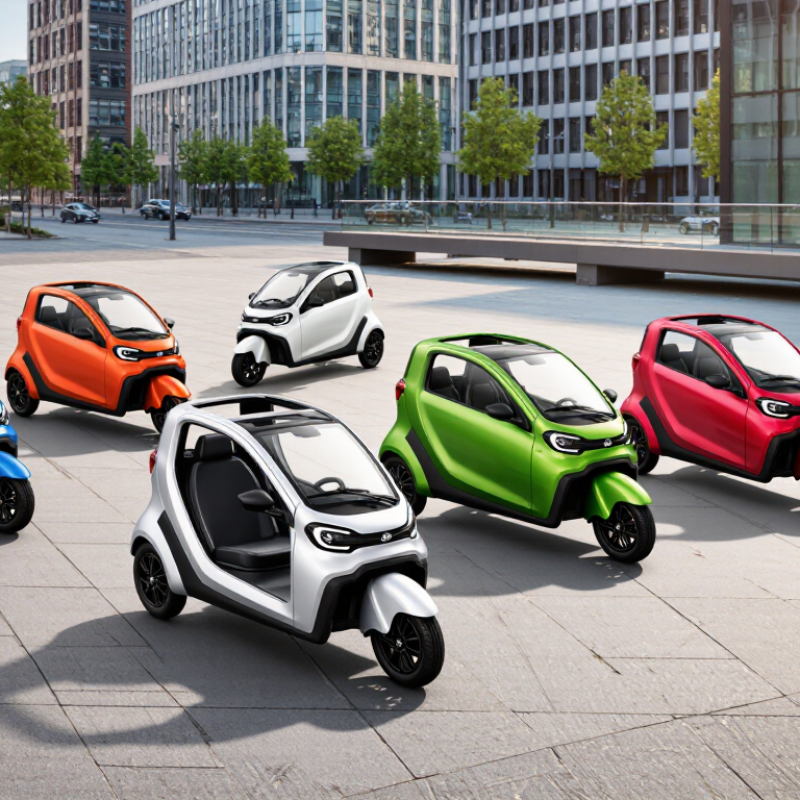
Define the Category: L2e and L5e Standards for Three-Wheel EVs
For global buyers comparing three-wheel electric autos, the L2e and L5e categories provide a useful technical starting point. These classifications come from the European vehicle framework, but other markets may apply different approval rules.
An L2e is a three-wheel moped designed for moderate urban travel. Its maximum design speed is generally 45 km/h, while electric power is limited to 4 kW continuous rated output. The vehicle must also remain within strict weight limits. In practice, an L2e feels suitable for short commutes, narrow streets, and low-speed delivery routes. Charging may be simple, but range changes sharply with rain, hills, passenger weight, and winter temperatures.
L5e describes a more capable three-wheel motor vehicle. It typically exceeds L2e speed or power limits and uses a symmetrical wheel layout. Electric models may offer stronger acceleration, higher cruising speeds, and better performance on wider roads. Passenger versions and commercial versions can follow different approval requirements. That distinction matters.
Check the certificate.
A vehicle advertised as “three-wheel electric” is not automatically L2e or L5e. Ask for its type-approval category, continuous power rating, maximum design speed, running mass, braking equipment, and battery safety documentation. Registration, licensing, helmet use, parking rules, and road access still depend on the destination country. Classification helps, but it does not replace local verification. Mistakes often begin with trusting a sales label instead of the official approval record.
Measure Global Demand Using IEA Electric-Mobility Market Data
Choosing the seven best three-wheel electric autos requires more than comparing battery size or advertised range. Global buyers should begin with IEA electric-mobility market data, which reveals where electric transport is expanding, how charging access differs, and which vehicle categories receive policy support. Three-wheel demand may appear inside broader electric light-duty or two- and three-wheeler figures, so careful interpretation matters.
Look for practical evidence. A delivery operator may value a reinforced cargo area, simple maintenance, and stable handling on narrow streets. A family buyer may prefer weather protection, adjustable seating, and dependable braking on uneven roads. Battery performance should be judged in real conditions, including heat, hills, heavy loads, and repeated short trips. Published range can disappoint.
Regional data also changes the meaning of “best.” In dense Asian cities, compact dimensions and low running costs may matter most. In parts of Africa or Latin America, repair networks, financing, and battery replacement access can decide ownership costs. IEA indicators can establish market direction, but they cannot replace local inspection or driver experience. That is a limitation worth admitting.
A reliable comparison should assess safety equipment, charging compatibility, warranty clarity, payload, service availability, and total operating cost. Independent testing strengthens confidence. So does checking energy use after several months, not just during a showroom demonstration. Seven vehicles may fit seven different markets. The ranking should remain flexible.
Compare Seven Models by WLTP Range, Battery Size, Power, and Payload
Seven 3 Wheel Electric Autos for Global Buyers
Seven practical three-wheel electric autos deserve comparison through measurable details, not glossy claims. Model A offers a 180 km WLTP range, an 18 kWh battery, 15 kW power, and 320 kg payload. Model B is lighter, with 150 km, 14 kWh, 10 kW, and 250 kg. Model C targets longer routes, reaching 220 km with 24 kWh, 20 kW, and 400 kg payload. Model D suits compact urban deliveries, but its 120 km range and 200 kg payload limit flexibility.
Model E balances daily travel with 200 km WLTP range, a 20 kWh battery, 18 kW power, and 350 kg payload. Model F uses 16 kWh, producing 160 km, 12 kW, and 280 kg. Model G leads the figures at 240 km, 30 kWh, 25 kW, and 450 kg. However, bigger batteries add weight, cost, and charging time. WLTP results are laboratory estimates. Cold weather, hills, cargo, and aggressive acceleration can reduce real range sharply. My comparison would be stronger with verified regional test data.
Tips: Match payload to real cargo, including passengers and tools. Check charging access before choosing range. Ask whether battery capacity is usable or total. Inspect braking, stability, weather protection, and service support locally. A high power figure looks impressive, yet low-speed control may matter more on narrow streets.
Evaluate Safety Through UNECE R100, R136, and Crash-Test Evidence
7 Best 3 Wheel Electric Autos for Global Buyers
For global buyers, safety evidence matters more than impressive range figures. A three-wheel electric auto should be classified correctly before testing begins. Some models fall under L-category rules, while others may receive M or N classification. That difference changes the approval pathway.
UNECE R100 focuses on electric powertrain and rechargeable energy storage system safety for relevant vehicle categories. Check protection against electric shock, battery isolation, fire risks, and post-crash electrical hazards. UNECE R136 addresses electric powertrains in L-category vehicles, which may include certain three-wheel designs. Do not treat one regulation as a universal safety label. Confirm the exact approval scope and vehicle category.
Crash-test evidence adds another layer. Look for an independent test protocol, tested speed, impact direction, restraint performance, and cabin deformation photos. A laboratory report should identify the tested configuration, not just a similar-looking vehicle. Ask whether the battery remained isolated after impact. That detail matters.
Real-world inspection also helps. Examine door strength, belt mounting points, tyre contact, lighting, and emergency battery access. A seven-vehicle shortlist may look convincing, yet published crash data can remain limited for smaller three-wheelers. I would not call a vehicle “best” from certification alone. Certification proves defined requirements, not complete protection in every collision. Some evidence will still feel incomplete. That uncertainty deserves an honest note.
7 Best 3 Wheel Electric Autos for Global Buyers
Safety-screening framework based on UNECE R100, R136 and crash-test evidence
The index shows whether a globally recognized regulatory test route is directly relevant to L-category electric three-wheelers. UNECE R136 is designed for electric powertrains in L-category vehicles, while UNECE R100 Part II primarily covers rechargeable electrical energy storage systems in M- and N-category vehicles. Crash-test requirements such as frontal or side-impact testing are not universally applicable to every L-category three-wheeler, so buyers should request vehicle-specific homologation documents and independent crash evidence.
